Roof repair & replacement in Anchorage, Alaska
TopShield Roofing is a national referral service connecting callers in Anchorage and all US cities with independent local roofers. Discuss repair, replacement, new installations, or storm damage and confirm inspection terms directly with the roofer.
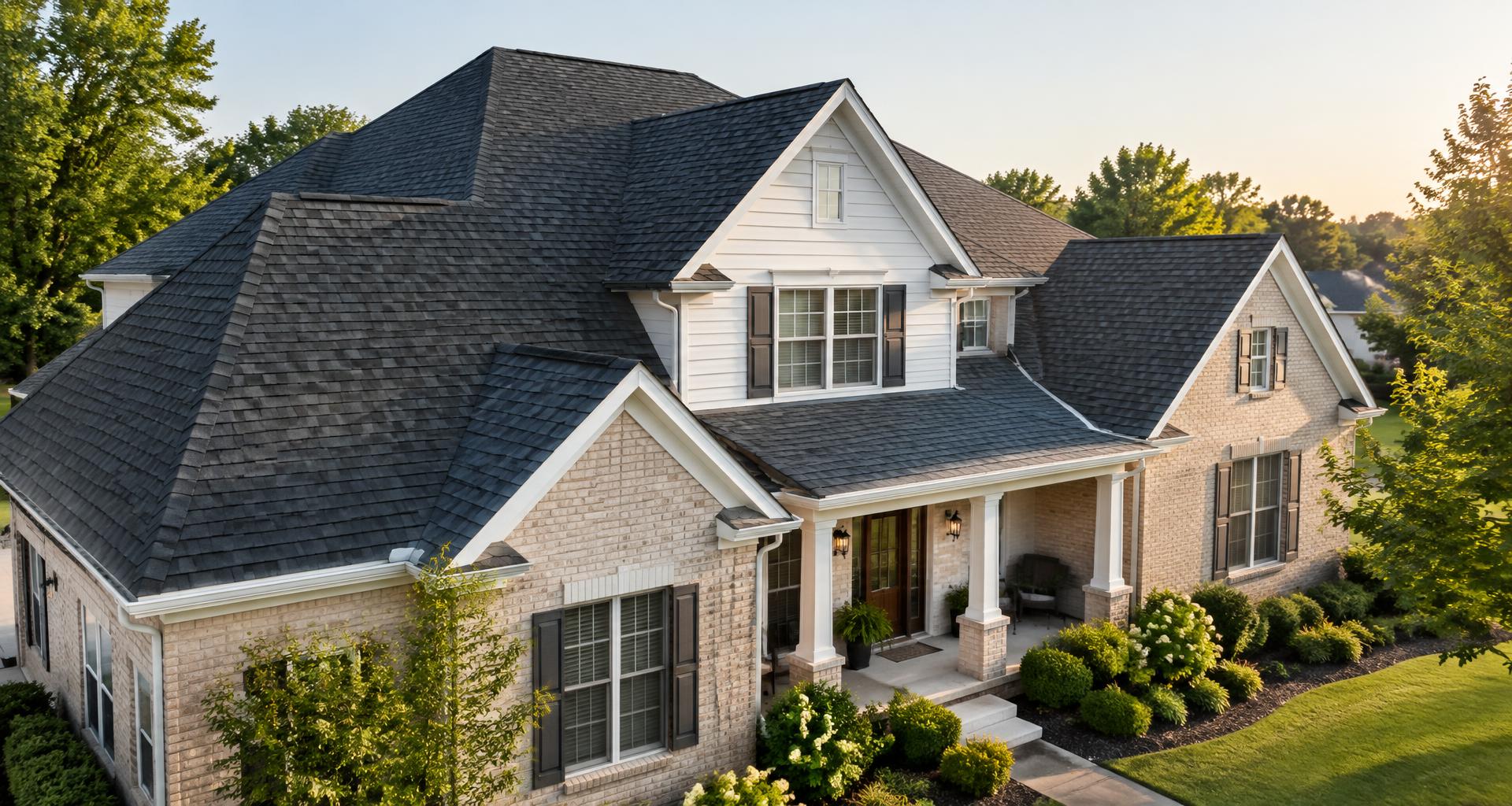
Anchorage snow storage, ice, and limited winter daylight
Anchorage roof planning starts with the interaction of snow accumulation, building heat, and drainage. Snow can collect unevenly where a taller roof meets a lower addition or where wind moves it behind equipment. Neither the depth visible from the street nor a material label establishes structural capacity. Ask an independent roofer to identify drift locations and explain when a structural professional should evaluate the supporting assembly rather than guessing at a safe load.
Short winter daylight makes scheduling and observation more difficult, while melting and refreezing can obstruct eaves even when the main roof still holds snow. Observe only from ground level or a safe indoor location; never climb onto a roof or attempt snow or ice removal. Keep people away from possible slide zones. New sagging, unusual cracking, or other structural warning signs call for leaving the affected building and seeking qualified emergency assistance.
Roof types and material choices in Anchorage
Asphalt shingles can suit appropriately pitched roofs, but underlayment, eave protection, flashing, and attic air sealing deserve separate attention. Metal can shed snow suddenly, so entrances, walkways, and lower roofs need a coordinated snow retention design. Low-slope membrane sections require deliberate drainage and assessment of snow accumulation. Changing to a heavier covering, adding equipment, or altering snow retention should prompt a structural discussion rather than an assumption that the existing framing is adequate.
An ice dam is not solved simply by choosing a different exposed covering. Ask how indoor heat reaches the roof, whether insulation is continuous, and how the intended ventilation path works. A roofer may need to coordinate with an insulation or building-envelope specialist. Product installation limits, substrate dryness, and temporary protection also matter when comparing work windows.
Roofing Tips for Anchorage Homeowners in 2027
Map snow discharge areas
From ground level, identify doors and paths beneath roof edges before snow accumulates. Ask the roofer how proposed changes affect sliding snow and whether professionally designed retention is appropriate. Never stand below an active shedding area to take photographs.
Describe thaw-related leaks
Record whether indoor staining follows a thaw, wind-driven precipitation, or persistent cold. These distinctions help the evaluator investigate ice backup, flashing, and condensation separately. Keep dated indoor photographs without opening ceilings or disturbing potentially wet electrical fixtures.
Plan daylight access
For a 2027 inspection, discuss safe access and available daylight directly with the contractor. Confirm how snow-covered surfaces limit findings and whether a later visit is needed. An incomplete winter view should not be presented as certainty about concealed conditions.
Separate structure from covering
Ask whether drift pockets above an addition require structural review before approving a replacement. A new membrane or shingle layer does not increase the framing capacity by itself. Request clear responsibility for any additional engineering assessment in the written scope.
Review heat pathways
Discuss bathroom exhaust routing and attic air leakage when eave ice recurs. Ventilation changes should fit the actual assembly rather than a generic vent count. Ask who will evaluate insulation continuity and moisture sources if those issues fall outside roofing work.
Preserve claim evidence
Keep inspection photographs, dates, and emergency-work invoices together. Ask for findings that distinguish observed damage from inaccessible areas. Your insurer decides claims and coverage; neither a referral nor a contractor's recommendation establishes payment or replaces the policy review.
Neighborhoods and suburbs around Anchorage
An older Spenard house with later additions can have different roof transitions from a hillside property exposed to drifting. In wooded settings, branches and needles can complicate drainage during thaw periods. Discuss driveway access, delivery space, and protection of occupied entrances before scheduling work. A proposal should distinguish the main roof from porches, garages, and lower sections that receive snow from above.
TopShield is a national referral service connecting callers with independent local roofers, not the contractor performing construction. The independent roofer confirms inspection availability, scope, access arrangements, and any fee. For 2027 planning, prioritize documented symptoms and seasonal access rather than assumed appointment dates or predictions about winter weather.
Spenard · Turnagain · Hillside · Eagle River · Chugiak · Girdwood
TopShield’s referral coverage is nationwide, not limited to this list. Call to discuss your property’s location and confirm an independent roofer’s availability.
Anchorage roofing questions
Can an Anchorage roof be judged by visible snow depth?
No. Snow characteristics, drifting, roof geometry, and structural design all matter. A ground-level view cannot establish capacity. Ask a qualified professional how to assess the specific building, and do not walk onto the roof to measure accumulation or test its condition.
Does metal eliminate ice problems?
No. Metal can change how snow moves but does not eliminate heat leakage, refreezing, or blocked drainage. Snow retention and protection of entrances need their own design review. Compare the complete assembly and its maintenance requirements rather than assuming a slippery surface solves every winter concern.
What should a winter inspection explain?
The roofer should identify what was visible, what remained concealed by snow, and any follow-up needed after conditions allow a fuller assessment. Confirm inspection terms beforehand. Recommendations should distinguish immediate safety concerns from maintenance or replacement decisions that require more evidence.
More local roofing guidance
Roofing services
Planning and safety sources
These 2027 tips are maintenance planning guidance, not a weather forecast. Review DOE roof material guidance, FEMA snow safety, and IBHS roofing standards, and ask a qualified professional to assess your actual roof.