Roof repair & replacement in Atlanta, Georgia
TopShield Roofing is a national referral service connecting callers in Atlanta and all US cities with independent local roofers. Discuss repair, replacement, new installations, or storm damage and confirm inspection terms directly with the roofer.
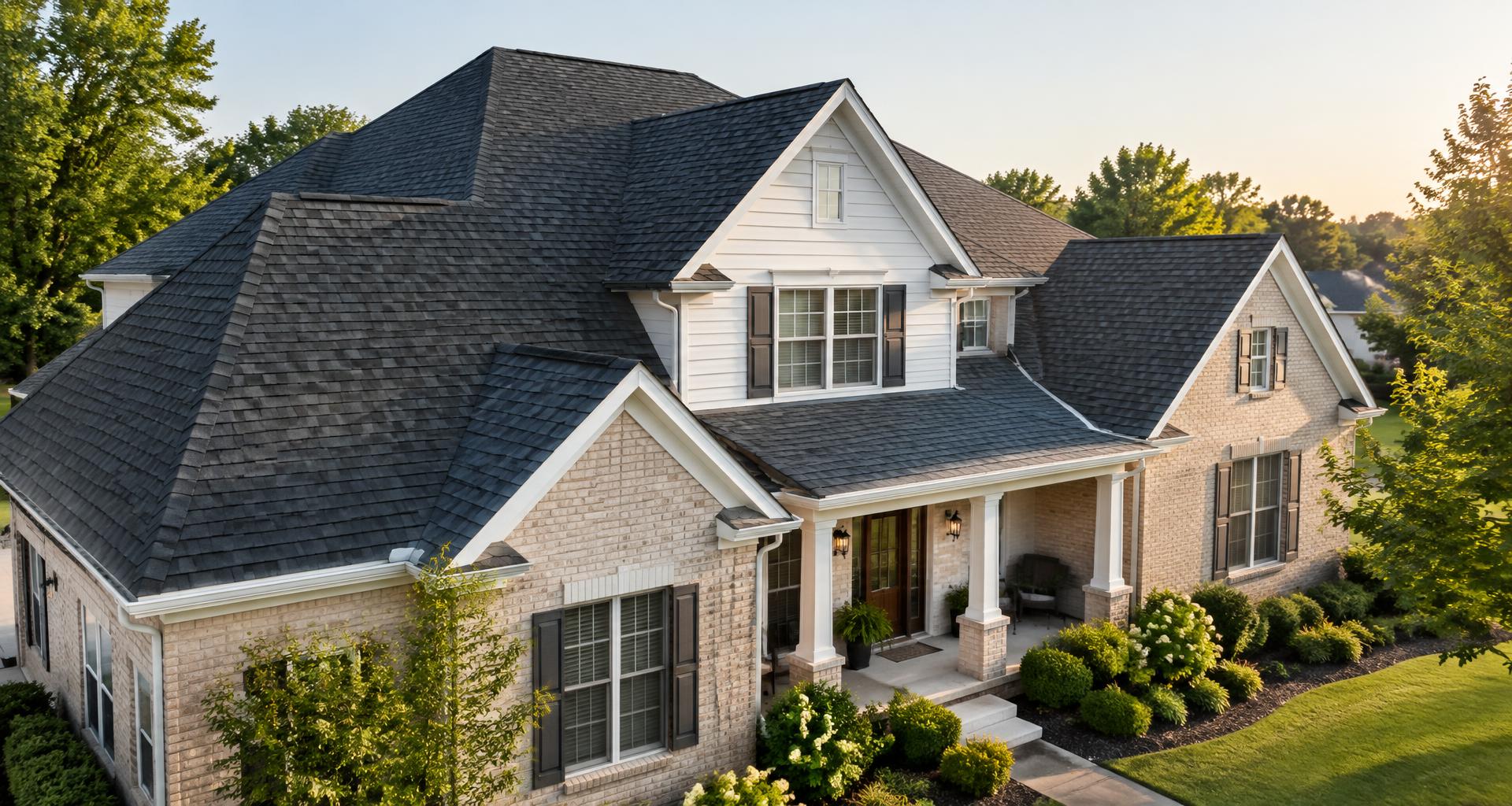
Humid summers, leafy valleys, and occasional winter ice
Atlanta roofs face humid summer heat, heavy thunderstorms, wind, and occasional freezing or ice conditions. Mature trees can shade roof planes while also supplying leaves and branches that collect at valleys. A roof beneath dense canopy may dry differently from an open slope, so maintenance needs can vary across one house.
Hilly lots and complex rooflines concentrate runoff at lower additions and wall intersections. A basement or ground-level moisture problem may also involve site drainage, which roof replacement alone cannot solve. Describe where water first appears and whether it follows overflow, wind-driven rain, or winter thawing.
Roof types and material choices in Atlanta
Asphalt shingles and metal systems may suit pitched roofs, while low-slope porches and contemporary additions require appropriate membranes and outlet details. Older specialty coverings deserve condition-based repair assessment where present. Compare flashing and attachment as carefully as the field product. Reflective characteristics can reduce absorbed solar heat, but insulation, air leakage, and roof configuration affect the overall result.
Compare written proposals for the complete roof assembly, not only the visible covering. Ask what happens if concealed decking deterioration is found, which flashing components will be replaced, how penetrations will be detailed, and how debris and occupied entrances will be protected. Product suitability depends on slope, substrate, attachment, exposure, and installation. A material name alone does not establish wind resistance, watertightness, or suitability for the existing structure. Request an explanation of exclusions and maintenance responsibilities.
Roofing Tips for Atlanta Homeowners in 2027
Map leafy roof intersections
From safe ground, identify valleys beneath mature trees and recurring gutter overflow. Ask about professional clearing and inspection of concealed transitions rather than treating debris removal as proof that all underlying damage is resolved.
Trace hillside discharge
Note where downspouts empty near stairs, retaining walls, or lower additions. A clear proposal should distinguish roof drainage work from site-water management that may require another specialist.
Coordinate historic details
Before changing a visible roof in a reviewed area, confirm the applicable process. Request photographs and a written approach for dormers, chimney flashing, and original trim that may be affected by replacement.
Clarify townhome control
Find out who owns the covering, decking, and shared outlets. Obtain necessary authorization before common-roof access; a unit owner’s permission does not automatically establish control of every adjoining roof component.
Describe ice-related symptoms
If leakage appears after a freeze, record eave ice and any known attic moisture from normally accessible spaces. Do not climb to chip ice away; heat movement, insulation, and drainage may require coordinated assessment.
Watch branch hazards safely
After a storm, stay clear of hanging limbs and damaged trees. Document roof changes only from a safe position and arrange appropriate tree assistance before anyone attempts roofing work beneath an unstable branch.
Neighborhoods and suburbs around Atlanta
Grant Park and Inman Park houses may have historic details, while newer townhomes can involve shared walls, common drainage, and association control. Confirm applicable review for the individual property. An Atlanta mailing address may lie outside the city, so establish jurisdiction before planning permits. On sloping or narrow lots, discuss delivery access and protection for neighboring property, tree roots, and occupied entrances.
TopShield is a national referral service that connects callers with independent roofers. TopShield does not perform contractor work. The independent roofer evaluates the property and discusses any proposed work directly with the homeowner. A referral does not guarantee availability, an appointment, a particular repair, or a project outcome. Confirm who will assess the roof and who would carry out the work before authorizing anything.
Keep observations at ground level or inside normally accessible rooms. Do not climb a ladder, walk on roofing, enter a wet attic, or touch fallen wires to investigate damage. During lightning or strong wind, wait in a safe location rather than collecting photographs. Water near electrical equipment, a bulging ceiling, or signs of structural movement call for immediate safety precautions and appropriate emergency assistance, not a routine visual check.
If a weather event may be involved, preserve dated photographs, previous repair records, and a factual account of when a stain or missing material first appeared. Distinguish observations from assumptions about the cause. Ask the insurer what documentation and temporary protection procedures it requires. The insurer decides coverage and claims; neither TopShield nor an independent roofer can promise claim approval. A roof assessment and an insurance decision are separate processes.
Decatur · Sandy Springs · Brookhaven · Smyrna · East Point · Tucker
TopShield’s referral coverage is nationwide, not limited to this list. Call to discuss your property’s location and confirm an independent roofer’s availability.
Atlanta roofing questions
Can clearing leaves fix an Atlanta roof leak?
It can help when blocked drainage contributes, but clearing alone may not address damaged flashing, deteriorated wood, or a poor transition. Ask the assessor to identify the pathway and check for resulting damage rather than assuming that visible debris explains everything.
Does an Atlanta address always mean the City of Atlanta reviews roof work?
No. Postal descriptions can extend beyond municipal boundaries. Establish the actual jurisdiction and ask the responsible authority about the proposed scope. Historic and association review, where applicable, are separate considerations that also need to be resolved.
Why does my Atlanta townhome leak near a shared wall?
Possible pathways include wall flashing, parapet transitions, common drainage, or another roof section. Clarify ownership and authorization, then request an assessment of the adjoining details. An isolated interior stain does not establish which owner or component is responsible.
More local roofing guidance
Roofing services
Planning and safety sources
These 2027 tips are maintenance planning guidance, not a weather forecast. Review DOE roof material guidance, FEMA snow safety, and IBHS roofing standards, and ask a qualified professional to assess your actual roof.