Roof repair & replacement in Billings, Montana
TopShield Roofing is a national referral service connecting callers in Billings and all US cities with independent local roofers. Discuss repair, replacement, new installations, or storm damage and confirm inspection terms directly with the roofer.
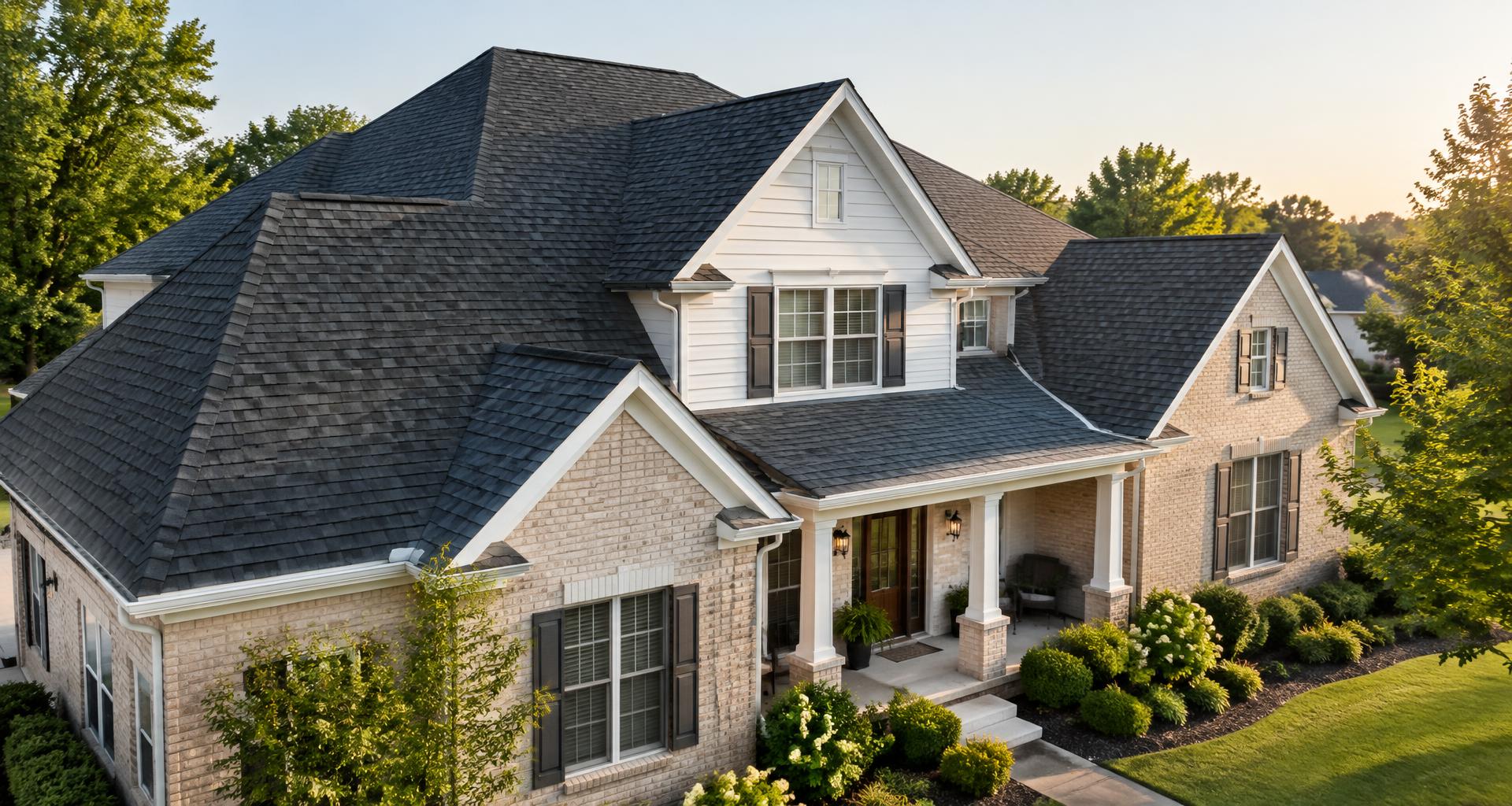
Billings wind exposure, hail, and winter roof transitions
Billings combines open-country wind exposure with hail concerns, winter cold, and periods of thawing. A roof near the Rimrocks can experience a different site exposure from one sheltered by nearby buildings or trees. Roof height, edge geometry, and surrounding terrain deserve attention before specifying attachment. A storm report for the wider area does not establish that an individual roof was damaged or explain which components need repair.
Cold-weather leaks may involve ice backup, wind-driven moisture, or condensation rather than a single failed shingle. Warm indoor air reaching a cold deck can complicate the diagnosis. Observe roof edges only from ground level or a safe indoor location. Do not climb onto icy surfaces or attempt to clear snow. If new sagging or structural cracking appears, leave the affected building and obtain qualified help.
Roof types and material choices in Billings
Asphalt shingles are common candidates for pitched roofs; compare impact classifications, fastening instructions, starter details, and edge components together. Impact-rated products are not hail-proof and do not guarantee an insurance benefit. Metal may suit some buildings, but panel attachment, movement, coatings, and snow discharge all need discussion. The contractor should explain whether visible denting affects function, appearance, or both without promising how an insurer will classify it.
Low-slope additions and commercial-style residential sections need membranes appropriate to their slope and drainage. Ask how transitions to a steeper main roof will be flashed and whether ponding or blocked outlets need correction. At masonry chimneys, replacement covering alone may leave deteriorated counterflashing unresolved. Separate those details in the proposal so a lower bid is not mistaken for an equivalent scope.
Roofing Tips for Billings Homeowners in 2027
Track wind-facing details
From ground level, note loose-looking edge metal, displaced coverings, and debris around the property after wind. Do not approach hanging components. Tell the roofer which side was affected and request a professional assessment of both visible surfaces and underlying attachment.
Compare hail evidence
Ask for dated photographs identifying specific affected components instead of accepting a neighborhood-wide damage assertion. A roofer should explain limitations where surfaces were inaccessible. Your insurer decides claims and coverage; a material rating or contractor opinion does not establish a payable loss.
Review rim and eave transitions
Have the contractor describe how underlayment and flashing meet at eaves, valleys, and roof-to-wall junctions. These details matter during refreezing and wind-driven precipitation. Ask whether existing metal will be replaced or reused and how its condition will be documented.
Check winter moisture sources
Record indoor humidity symptoms and whether staining follows cooking, bathing, or thawing. Discuss exhaust termination and attic air leakage with the evaluator. Do not assume every ceiling stain requires full replacement before condensation and localized flashing problems have been investigated.
Plan exposed-site staging
For 2027 work, confirm how materials will be secured and occupied access protected on a windy site. Ask about temporary weather protection if work stops. Deliveries, waste containers, and cleanup responsibilities should be agreed before the old covering is removed.
Distinguish repair boundaries
Request separate findings for the house, garage, and any low-slope addition. A localized defect may require a different repair method from the main roof. Have the written scope explain tie-ins, exclusions, and how concealed deck damage would be approved.
Neighborhoods and suburbs around Billings
Older North Side houses may have layers of alterations, while West End developments can have larger uninterrupted roof planes and more exposed edges. Properties near the Heights may require different delivery arrangements from tighter central lots. Identify detached garages, porch roofs, and upper walls that direct runoff onto lower surfaces. Site-specific observations are more useful than assuming every Billings property has the same wind conditions.
TopShield provides national referrals to independent local roofers and does not perform the inspection or construction. The independent roofer confirms inspection timing, scope, access methods, and any charge. For 2027 maintenance, ask for a condition-based plan distinguishing urgent moisture entry from optional upgrades and future replacement planning.
Heights · West End · North Side · Laurel · Lockwood · Shepherd
TopShield’s referral coverage is nationwide, not limited to this list. Call to discuss your property’s location and confirm an independent roofer’s availability.
Billings roofing questions
Is an impact-rated roof immune to Billings hail?
No. A classification describes performance under a particular test, not a guarantee against every storm. Installation, aging, and the actual event also matter. Compare the whole roof system and ask your insurer directly whether a product changes any policy terms or documentation requirements.
Why might an exposed property need different attachment details?
Terrain, building height, roof shape, and exposure can influence design requirements. Ask the contractor to identify the applicable installation and local requirements for the actual site. Adding fasteners without an appropriate system design is not a substitute for a documented attachment approach.
Should winter staining automatically trigger replacement?
No. Flashing defects, ice backup, and indoor condensation can produce similar symptoms. A property-specific assessment should connect the observed stain to a plausible moisture pathway. Ask which findings support repair, which support replacement, and whether further investigation is needed before deciding.
More local roofing guidance
Roofing services
Planning and safety sources
These 2027 tips are maintenance planning guidance, not a weather forecast. Review DOE roof material guidance, FEMA snow safety, and IBHS roofing standards, and ask a qualified professional to assess your actual roof.