Roof repair & replacement in Burlington, Vermont
TopShield Roofing is a national referral service connecting callers in Burlington and all US cities with independent local roofers. Discuss repair, replacement, new installations, or storm damage and confirm inspection terms directly with the roofer.
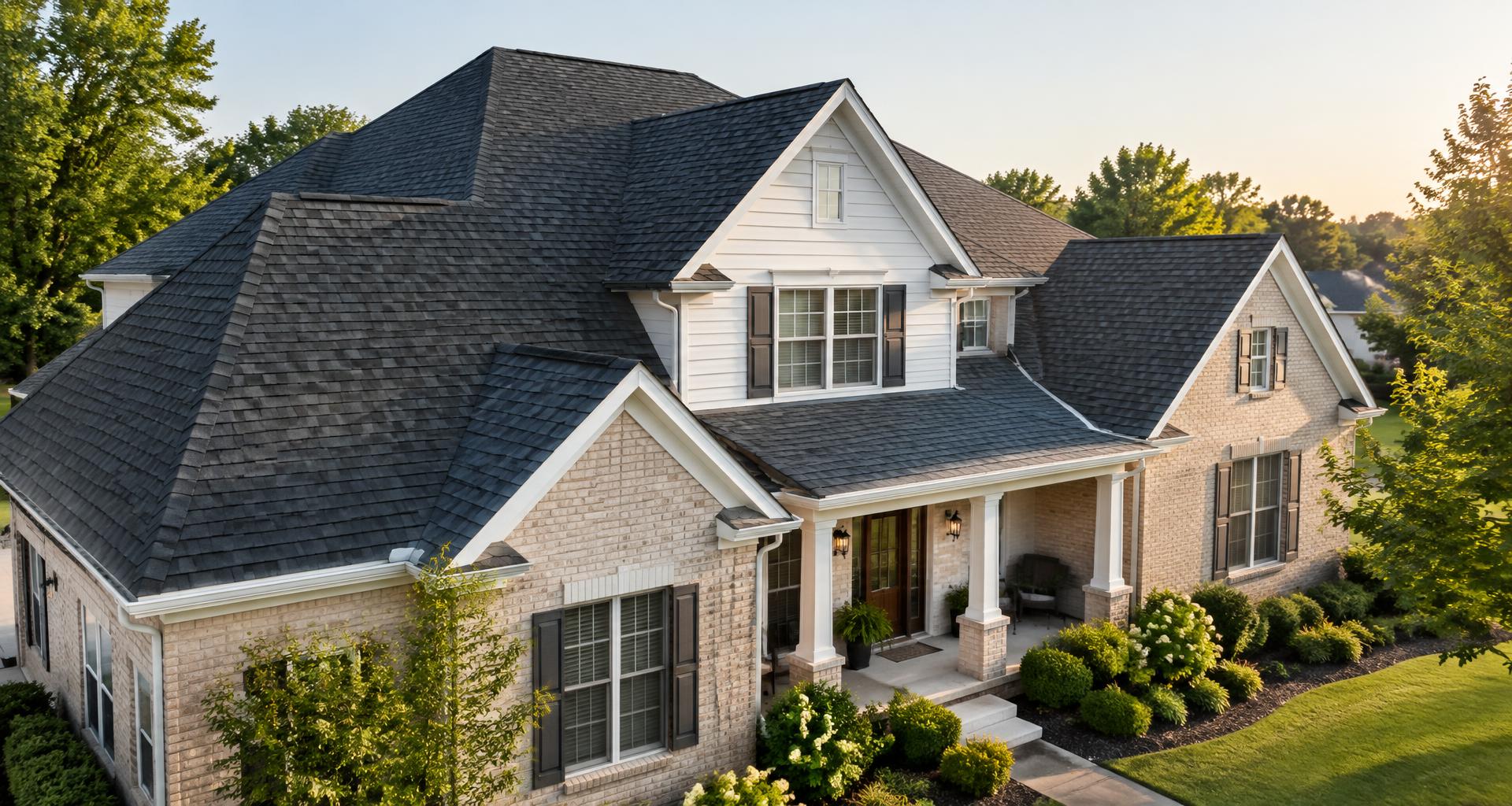
Lake Champlain exposure, snowmelt, and shaded roof intersections
Burlington’s Lake Champlain setting can leave some roofs more open to wind and moisture than sheltered streets farther inland. Winter snow, freezing and thawing, summer rain, and autumn leaves all belong in maintenance discussions. Lake exposure is not ocean salt exposure, and a waterfront label does not replace an assessment of the actual building. Roof height, nearby trees, orientation, and transitions between sections influence what needs attention.
Winter leakage may involve uneven snowmelt, restricted drainage, flashing defects, or indoor moisture rather than one universal cause. Older homes with dormers and additions can concentrate water where different roof slopes meet. A shaded valley may retain debris while an open slope clears sooner. Observe from ground level or a safe indoor location only; do not climb or remove snow and ice yourself. New sagging or cracking warrants prompt qualified assistance rather than a routine maintenance visit.
Roof types and material choices in Burlington
Asphalt can be appropriate on suitable pitched roofs, while older slate merits an assessment of its pieces, attachment, and flashing before replacement is presumed necessary. Standing-seam metal may suit some buildings, but snow sliding toward steps, driveways, or lower roofs must be addressed in the design. Porches and shallow additions may need membranes instead of the material used on the steeper main roof. Compare underlayment, edges, penetrations, and substrate repairs in writing. Attic air sealing, insulation, and ventilation deserve coordinated evaluation when winter moisture symptoms recur.
Roofing Tips for Burlington Homeowners in 2027
Describe lake-facing exposure
Tell the roofer which slopes face open space and where wind-driven rain has coincided with indoor stains. Ask for assembly-specific findings instead of assuming every Burlington property needs the same attachment or flashing treatment.
Connect attic and roof findings
Share any history of winter condensation or uneven melting, using only safe observations. Clarify whether insulation and air sealing are included or need a separate specialist, and avoid treating new shingles as a guaranteed moisture cure.
Review metal snow movement
Identify entrances, walkways, neighboring yards, and lower additions below proposed metal slopes. Ask how snow retention and discharge will be handled, including compatibility with the selected roof system and any necessary design review.
Prepare leafy intersections
Arrange professional cleaning of valleys and gutters before winter restrictions develop. Ask for documentation of damaged flashing or loose attachments found during cleaning so drainage maintenance is not confused with an unsupported replacement recommendation.
Define shared-building logistics
For a multifamily property, agree on resident communication, entrance protection, and delivery access. Establish who can authorize work and whether any adjoining owner’s permission is required before equipment or debris containers arrive on site.
Keep a decision record
Request photographs and explanations supporting repair or replacement, then retain approved change orders. If submitting a claim, follow the insurer’s process; the insurer decides coverage, and contractor findings do not themselves establish a covered loss.
Neighborhoods and suburbs around Burlington
The Old North End includes older houses and multifamily buildings with additions and compact access arrangements. The Hill Section can present taller roofs, mature trees, and complex masonry junctions. New North End houses and nearby South Burlington properties often introduce different driveway and gutter layouts. Winooski adds another nearby setting for older residential buildings; none of these names determines a roof’s condition without inspection.
TopShield is a national referral service, not the company performing roof work. Independent roofers confirm inspection terms, any fee, availability, and contracts directly. A referral does not book an appointment, promise a diagnosis, or determine whether a repair will qualify for insurance coverage.
Old North End · Hill Section · New North End · South Burlington · Winooski · Colchester
TopShield’s referral coverage is nationwide, not limited to this list. Call to discuss your property’s location and confirm an independent roofer’s availability.
Burlington roofing questions
Does living near Lake Champlain change every roofing choice?
It makes actual exposure worth discussing, but it does not prescribe one material. An open lake-facing roof and a sheltered inland house may experience different wind and moisture conditions. The contractor should evaluate attachment, flashing, drainage, and supporting materials at the property rather than applying oceanfront assumptions to a freshwater setting.
Is metal automatically better for Burlington snow?
Not automatically. A metal system can shed snow in ways that create hazards below, while the supporting structure and insulation still need appropriate evaluation. Ask about retention, entrances, lower roofs, and drainage during thawing. Compare the entire proposed assembly and its maintenance needs with other suitable options for the building.
What should Burlington owners plan for 2027?
Combine autumn leaf management with a professional review of recurring winter symptoms and spring observations. Include porch roofs, dormers, and chimney junctions rather than focusing only on the largest slope. Keep records of previous repairs and confirm inspection terms with the independent roofer. This seasonal approach does not predict the coming year’s weather.
More local roofing guidance
Roofing services
Planning and safety sources
These 2027 tips are maintenance planning guidance, not a weather forecast. Review DOE roof material guidance, FEMA snow safety, and IBHS roofing standards, and ask a qualified professional to assess your actual roof.