Roof repair & replacement in Charleston, South Carolina
TopShield Roofing is a national referral service connecting callers in Charleston and all US cities with independent local roofers. Discuss repair, replacement, new installations, or storm damage and confirm inspection terms directly with the roofer.
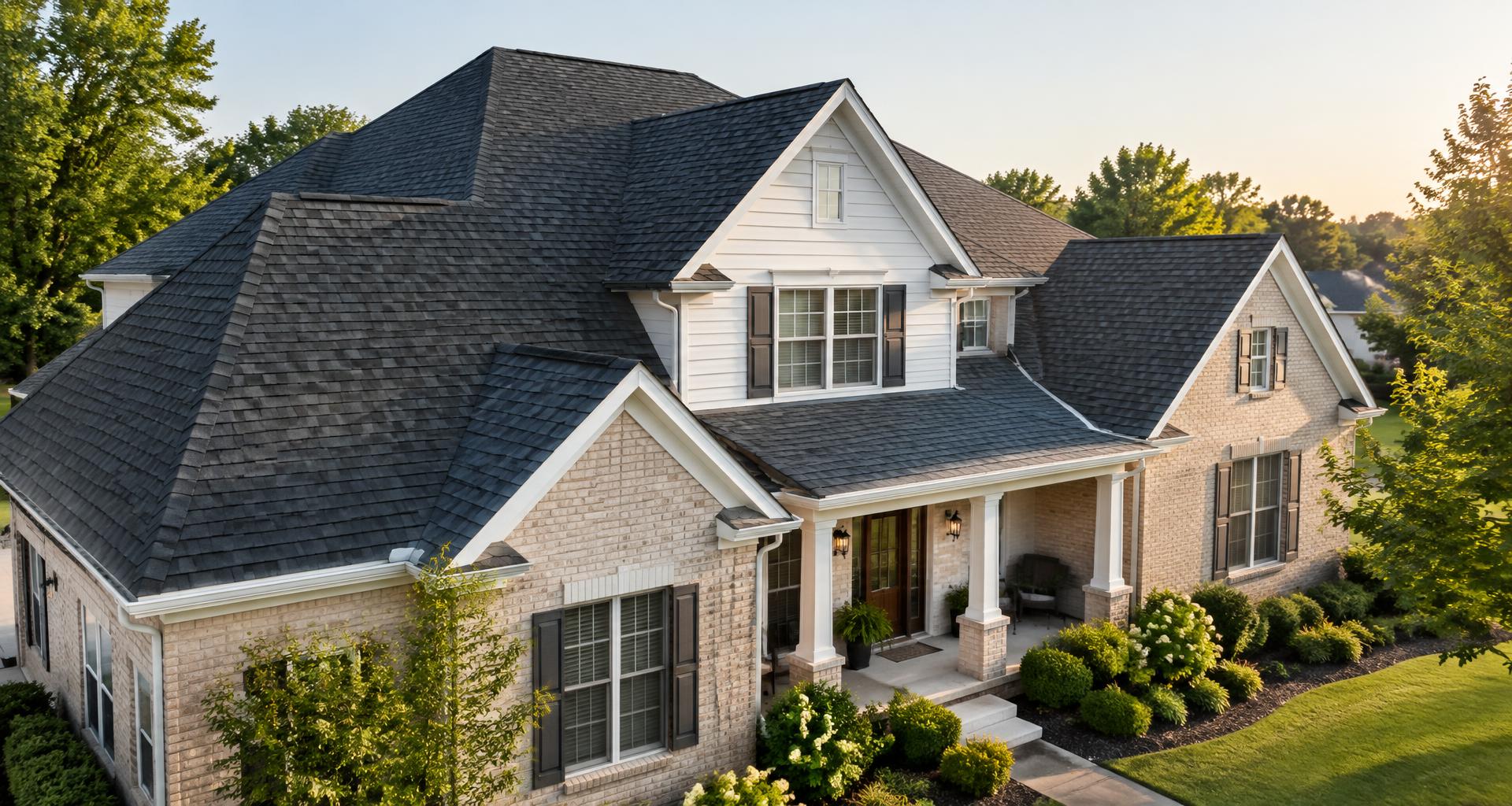
Charleston wind-driven rain, coastal exposure, and historic roofs
Charleston roof planning should account for humid heat, hurricanes, and wind-driven rain without treating any storm outcome as predictable. Exposure differs between a sheltered inland lot and an open coastal property. Near saltwater, discuss corrosion resistance of fasteners, flashings, and compatible metals as part of the assembly. Roof work does not eliminate flood or storm-surge risk, which requires separate property planning.
Heavy rain can reveal weak transitions at dormers, parapets, and porch connections before the field covering shows obvious distress. Low-slope drainage deserves attention where outlets are concealed behind roof edges. For 2027, establish a maintenance and documentation routine rather than relying on a weather forecast. Observe from the ground or a safe indoor location only; do not access roofs, clear overhead branches, or approach damaged electrical equipment after storms.
Roof types and material choices in Charleston
Charleston houses include asphalt shingles, standing-seam metal, and older specialty roofs whose appearance can be important to the building. Metal selection should address coastal exposure and compatibility, not just panel color. Low-slope sections may use membrane systems with carefully detailed terminations and drains. On any system, ask about deck attachment, underlayment, edge treatment, and penetration flashing. Existing slate or other historic coverings deserve a condition and repairability assessment before removal is assumed necessary.
Roofing Tips for Charleston Homeowners in 2027
Review approvals before ordering
For a 2027 project on the peninsula, ask which historic or municipal reviews apply to the proposed material and visible details. Clarify responsibility for applications in writing. Do not order replacement panels or authorize removal on the assumption that an existing roof automatically establishes permission for a different appearance.
Compare coastal metal details
On exposed properties near tidal water, ask the roofer to identify fastener, flashing, and panel compatibility. Have the estimate distinguish corrosion-related deterioration from storm damage. A material marketed for coastal use still needs suitable installation details and maintenance; a label alone does not establish whole-roof performance.
Document wind-driven entry
If rain appears around a dormer only during windy conditions, note the direction and timing from a safe indoor location. Ask the evaluator to inspect wall-to-roof and window-related transitions rather than replacing the nearest shingles by default. Preserve photographs without climbing outside to locate the entry point.
Keep low-slope outlets serviceable
For rear additions in Harleston Village or South of Broad, ask how drains and overflow routes will remain accessible for professional maintenance. Record where discharge goes during ordinary rainfall from ground level. Never treat a concealed outlet as maintenance-free simply because it is not visible from the street.
Set a constrained-site plan
Before scheduling peninsula work, discuss delivery hours, debris containers, neighboring walls, and a protected resident entrance. Ask who handles any required permissions for occupying public space. A national referral does not reserve street space or authorize a contractor to use a neighboring courtyard.
Prepare records before storm season
Create a 2027 file with existing-condition photographs, past repairs, and the signed scope for any new work. After a storm, document visible changes safely and request a written assessment. The insurer determines coverage; no contractor or referral service can promise that hurricane-related work will be paid.
Neighborhoods and suburbs around Charleston
South of Broad and Harleston Village properties can present historic-review questions, tight access, shared boundaries, and complex porch details. West Ashley includes established tree-covered neighborhoods and varied roof ages. James Island and nearby Mount Pleasant have different lot layouts and exposure, while North Charleston has its own jurisdictional requirements. Tell the contractor exactly where the property sits and whether alleys, narrow streets, or shared drives constrain deliveries and debris removal.
TopShield is a national referral service connecting homeowners with independent local roofers, not the contractor performing the work. Confirm inspection scope, scheduling, any fee, and proposed contract terms directly with the independent roofer. A referral does not establish roof condition or guarantee an outcome.
South of Broad · Harleston Village · West Ashley · James Island · Mount Pleasant · North Charleston
TopShield’s referral coverage is nationwide, not limited to this list. Call to discuss your property’s location and confirm an independent roofer’s availability.
Charleston roofing questions
Does every Charleston-area home need the same roof specification?
No. Location, exposure, slope, building configuration, and applicable requirements all matter. A sheltered West Ashley property and an exposed coastal house may raise different attachment and corrosion questions. Ask the independent roofer to explain the proposed system for the actual address and verify current requirements with the relevant authority.
Can roof replacement protect my home from storm surge?
A roof replacement addresses the roof assembly, not the movement of coastal floodwater. Hurricane planning should distinguish wind and rain entry from flood exposure. Discuss broader property preparedness with appropriate local resources, and do not interpret a stronger roof specification as eliminating other coastal hazards.
Should a historic metal roof always be replaced when it leaks?
Not automatically. A specialist can assess seams, corrosion, flashings, coatings, and underlying support to determine whether repair is practical. Ask how the recommendation preserves necessary details and meets applicable review requirements. Compare the documented condition and proposed scope rather than choosing removal solely because the roof is old.
More local roofing guidance
Roofing services
Planning and safety sources
These 2027 tips are maintenance planning guidance, not a weather forecast. Review DOE roof material guidance, FEMA snow safety, and IBHS roofing standards, and ask a qualified professional to assess your actual roof.