Roof repair & replacement in Charleston, West Virginia
TopShield Roofing is a national referral service connecting callers in Charleston and all US cities with independent local roofers. Discuss repair, replacement, new installations, or storm damage and confirm inspection terms directly with the roofer.
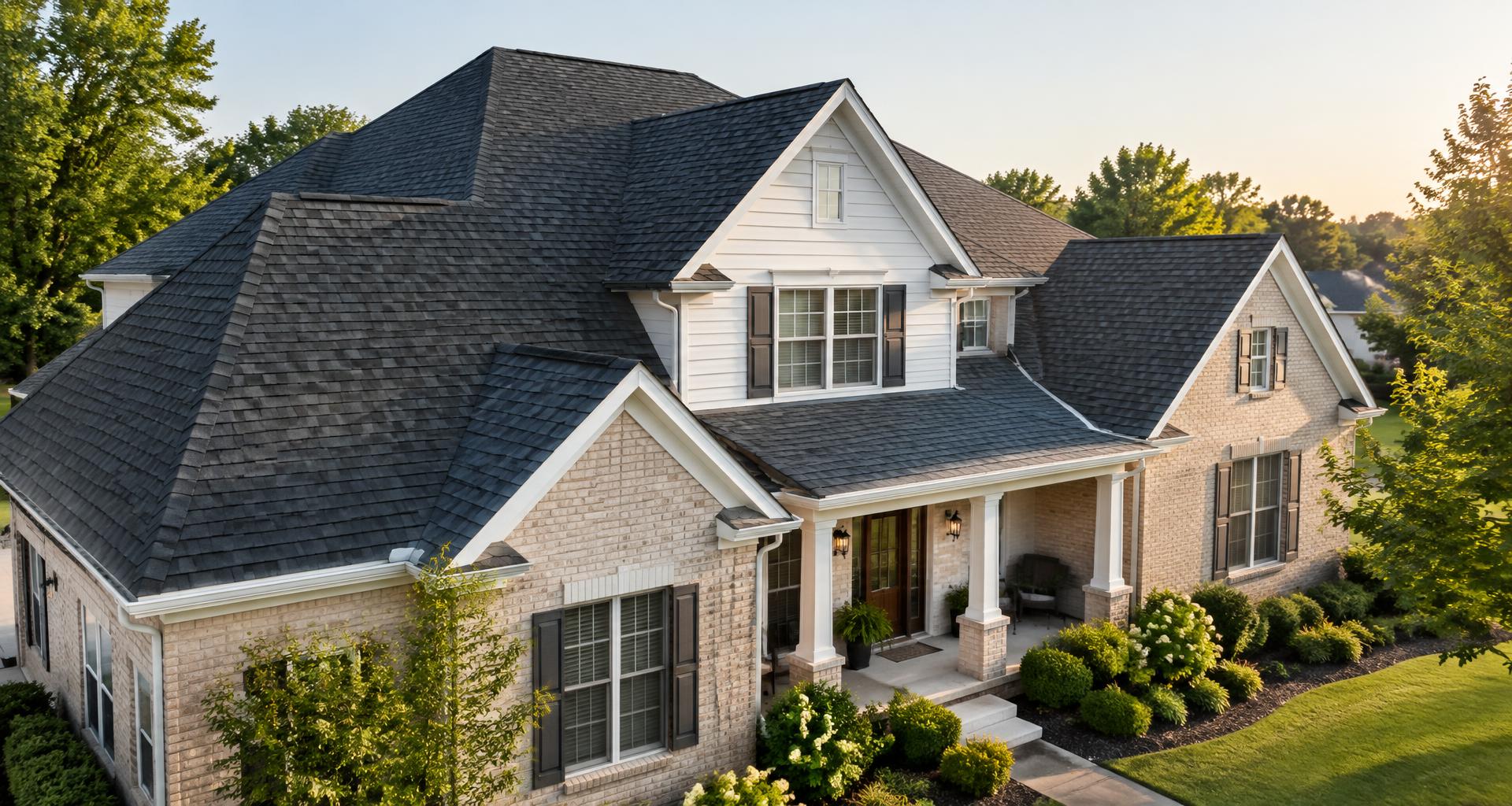
Charleston valley terrain, hillside drainage, and winter moisture
Charleston, West Virginia, sits where the Elk and Kanawha rivers meet, with neighborhoods extending from valley floors onto steep hillsides. Roof planning should address humid summers, heavy rain, thunderstorms, snow, and freeze-thaw conditions alongside the practical limits of sloped lots. This is an inland Appalachian setting; coastal Charleston guidance about salt exposure is not a substitute for evaluating a West Virginia property.
Terrain affects where roof water goes after it leaves a gutter. A downspout can discharge above steps, a retaining wall, or a lower portion of the house, creating problems beyond the roof covering itself. Winter leaks may involve thawing, flashing, or attic condensation rather than one obvious cause. Observe conditions from the ground or safely indoors only, and never climb onto a snowy roof or attempt rooftop snow removal.
Roof types and material choices in Charleston
Asphalt shingles are common on pitched houses, and metal can be suitable when fastening, transitions, and snow-shedding behavior are considered together. Older homes may retain slate or other specialty materials that deserve a repairability review. Low-slope porches, additions, and commercial sections require systems designed for their pitch and drainage. Ask how a proposal addresses chimneys, valleys, underlayment, deck condition, and ventilation rather than comparing only the name of the outer covering.
Roofing Tips for Charleston Homeowners in 2027
Map hillside water routes
For 2027 planning in South Hills, photograph downspout outlets and downhill walkways from safe ground positions. Ask whether roof discharge is contributing to wet steps or saturation near a retaining wall. A roofer should distinguish roof drainage changes from work requiring a grading or structural specialist.
Discuss snow above entrances
If considering metal, identify doors, decks, and paths beneath roof slopes. Ask the contractor whether snow-retention measures or other design changes are appropriate for the actual assembly. Do not assume that rapid snow shedding is beneficial everywhere, particularly where people enter below an uninterrupted slope.
Prepare for hillside deliveries
Describe steep drives, overhead lines, narrow turns, and limited parking when arranging an inspection. Request a delivery and debris-removal plan that preserves emergency and resident access. Confirm any equipment or access arrangements with the independent contractor rather than expecting a referral to include those services.
Inspect older wall junctions
For an East End house, have the proposal identify chimney and sidewall flashing separately from the roof covering. Ask how porch transitions will be handled and whether existing specialty roofing can be repaired. Surface sealant alone should not be presented as a substitute for explaining the water-management detail.
Review cold-weather moisture
Before winter 2027, arrange professional checks of blocked gutters and addition drains, and mention past leaks during thawing. Discuss attic insulation and air leakage alongside ventilation. Keep your own checks indoors or at ground level; do not climb to break ice or clear accumulated snow.
Keep a valley storm record
After heavy rain or wind, record new indoor stains and visible exterior changes without entering damaged areas. Ask for dated findings describing the affected roof components and proposed repairs. If you file a claim, provide factual records; the insurer decides coverage and payment, not the referral service or roofer.
Neighborhoods and suburbs around Charleston
East End houses can combine older masonry, porch roofs, and limited side access. West Side properties vary from closely spaced valley-floor buildings to hillside homes. South Hills sites may require careful planning for steep drives, retaining walls, and equipment placement. Kanawha City, South Charleston, and Dunbar have different street layouts and property conditions; confirm municipal responsibilities and the actual work address instead of assuming the whole valley shares one approval process.
TopShield is a national referral service connecting homeowners with independent local roofers, not the contractor performing the work. Confirm inspection scope, scheduling, any fee, and proposed contract terms directly with the independent roofer. A referral does not establish roof condition or guarantee an outcome.
East End · West Side · South Hills · Kanawha City · South Charleston · Dunbar
TopShield’s referral coverage is nationwide, not limited to this list. Call to discuss your property’s location and confirm an independent roofer’s availability.
Charleston roofing questions
Does a Charleston hillside roof need different materials from a valley-floor roof?
Not necessarily, but access, wind exposure, water discharge, and snow movement can differ. The roof’s slope and structure remain central to system selection. Ask how the proposed assembly fits the house and how runoff will reach a suitable outlet without creating new problems on the downhill side.
Does winter dripping prove that snow damaged my roof?
No. Snowmelt can reveal existing flashing defects, drainage restrictions, or moisture problems within the building. Record when dripping starts and whether it follows thawing or rainfall. An evaluator should explain the evidence behind the diagnosis. Homeowners should not climb onto the roof to investigate or shovel snow.
Can gutter work fix water near my retaining wall?
It may help if roof discharge is contributing, but retaining-wall drainage and hillside movement require separate assessment. Ask the contractor to explain the limits of the roofing scope. Do not accept a promise that replacing gutters or shingles will resolve a structural or subsurface problem without appropriate evaluation.
More local roofing guidance
Roofing services
Planning and safety sources
These 2027 tips are maintenance planning guidance, not a weather forecast. Review DOE roof material guidance, FEMA snow safety, and IBHS roofing standards, and ask a qualified professional to assess your actual roof.