Roof repair & replacement in Cheyenne, Wyoming
TopShield Roofing is a national referral service connecting callers in Cheyenne and all US cities with independent local roofers. Discuss repair, replacement, new installations, or storm damage and confirm inspection terms directly with the roofer.
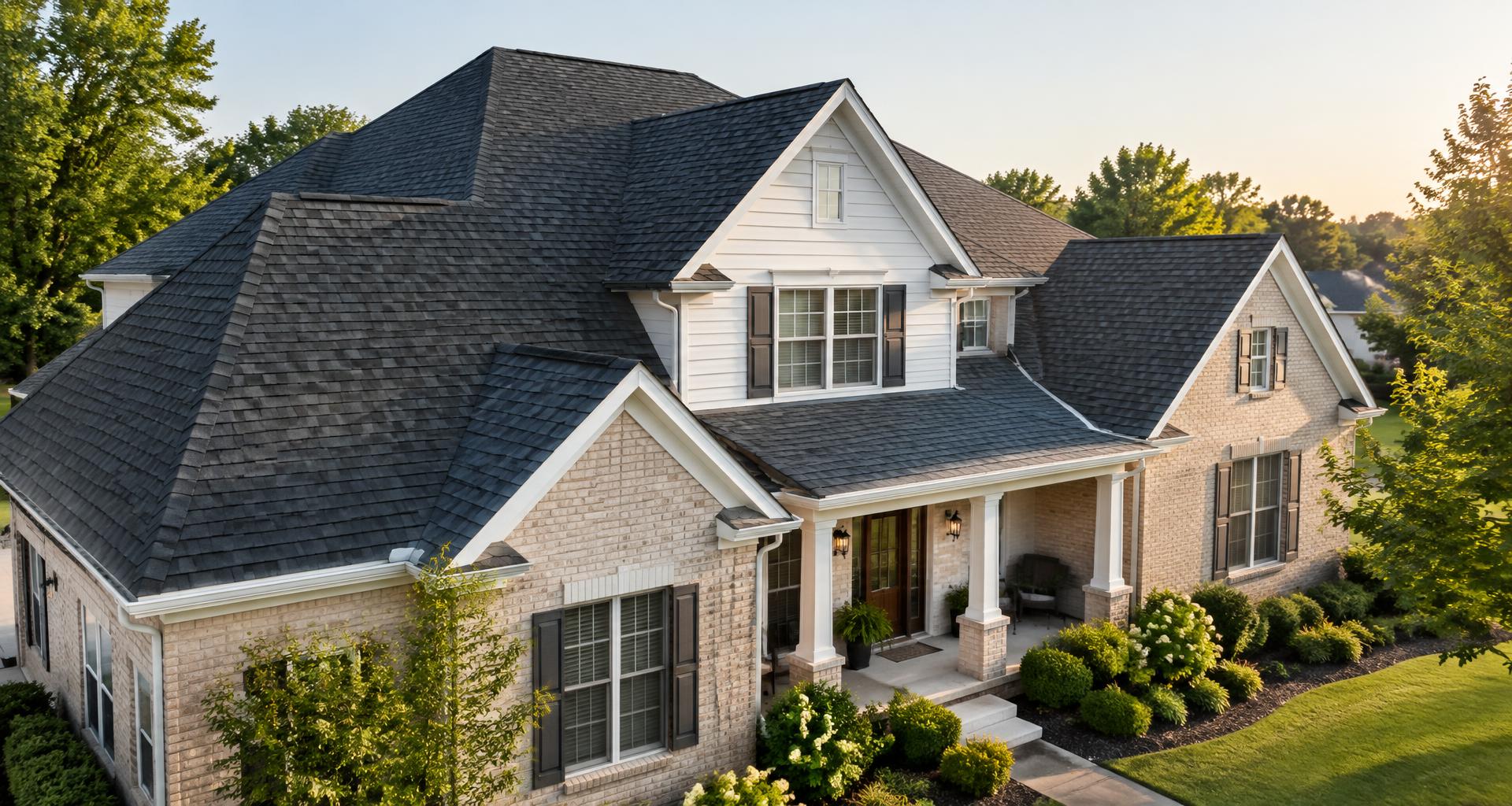
Cheyenne high-plains wind, hail, and drifting snow
Cheyenne's high-plains setting makes sustained exposure and strong wind important roof-design questions, alongside hail, snow, and cold-weather moisture. A house on an open edge of town may have fewer windbreaks than a building on a sheltered street. Wind can concentrate stress at corners, ridges, and perimeters, so a covering's general product description is not enough. Ask how the proposed assembly addresses the actual building geometry and applicable site requirements.
Blowing snow can collect behind projections or enter vulnerable details, while sunshine and temperature changes can shift the location of meltwater and refreezing. Snow visible from one side does not establish conditions across the roof. Observe only from ground level or safely indoors; do not climb onto the roof or remove snow yourself. New sagging or structural cracking requires leaving the affected building and seeking qualified help rather than waiting for routine maintenance.
Roof types and material choices in Cheyenne
Asphalt shingles need system-specific fastening, starter details, and edge treatment suited to the project. Impact classifications may be worth comparing for hail exposure, but they do not guarantee performance or insurance treatment. Metal requires careful attachment, allowances for movement, and coordination at penetrations. Ask whether a panel system's snow-shedding behavior creates risks above doors, driveways, or lower sections and whether an appropriate retention design is necessary.
On low-slope areas, membrane attachment and perimeter detailing need the same attention as the field surface. Wind exposure does not make drainage irrelevant; blocked outlets and refreezing can still produce water backup. Strong sun also makes compatibility and weathering of sealants and exposed components relevant. A professional should explain which joints require maintenance rather than proposing indiscriminate surface caulking as a substitute for sound flashing.
Roofing Tips for Cheyenne Homeowners in 2027
Ask about perimeter attachment
Request a written explanation of eave, rake, corner, and ridge details for the chosen roof system. Ask which existing components can be retained and why. A stronger-looking covering alone does not establish that the deck connection and perimeter assembly are appropriate.
Document wind symptoms safely
From ground level, note displaced materials or loose-looking edges without approaching hanging debris. Tell the roofer which elevations are affected. Do not climb up to press lifted shingles back into place; that can conceal evidence and expose you to serious falls.
Protect work in progress
For a 2027 project, ask how exposed deck areas, stored materials, and debris containers will be secured if wind interrupts work. Confirm who monitors temporary protection. The proposal should identify responsibilities without promising uninterrupted installation during unknown future conditions.
Consider snow release zones
Identify entrances and lower roofs beneath long slopes before selecting metal or changing the roof geometry. Ask the contractor to explain retention and drainage together. Never position yourself beneath a potential slide area to inspect accumulating snow or take closer photographs.
Separate hail appearance and function
Ask the evaluator to explain whether observed marks affect water shedding, component integrity, appearance, or remain uncertain. Your insurer decides claims and coverage. Keep the inspection record without assuming cosmetic findings and functional defects receive identical treatment under a policy.
Review hidden moisture pathways
Describe recurring winter stains and any recent changes to insulation or exhaust equipment. Ask whether air leakage or wind-driven snow could be involved. Request a diagnosis tied to evidence before approving replacement of an otherwise serviceable section or a broad ventilation alteration.
Neighborhoods and suburbs around Cheyenne
Older homes around central Cheyenne can include chimneys, dormers, and porch transitions that complicate repair access. More open properties toward the outskirts may permit easier staging but expose stored materials and partially completed work to wind. Describe fences, gates, overhead obstructions, and occupied entrances before scheduling deliveries. A sheltered yard does not necessarily mean the upper roof shares the same protection.
TopShield is a national referral service connecting callers with independent local roofers; it is not the construction contractor. The independent roofer confirms inspection availability, scope, fees, and access limitations. For 2027, discuss how an inspection or installation may be rescheduled safely and how temporary protection is handled rather than assuming a fixed weather window.
Downtown Cheyenne · Avenues · South Cheyenne · Ranchettes · Burns · Pine Bluffs
TopShield’s referral coverage is nationwide, not limited to this list. Call to discuss your property’s location and confirm an independent roofer’s availability.
Cheyenne roofing questions
Is a wind-rated product enough for a Cheyenne roof?
No. The rating applies within specified installation conditions and does not describe every part of the building. Deck condition, attachment, perimeter details, and site requirements all matter. Ask the independent roofer to explain the complete system rather than relying on a single marketing label.
Can metal solve both wind and snow concerns automatically?
No. Metal systems vary in attachment and detailing, and snow can slide suddenly from some surfaces. A suitable design must account for the particular roof, penetrations, entrances, and lower sections. Compare maintenance and repair needs as well as the exposed material.
What if wind prevents the planned inspection?
The independent roofer should confirm whether the visit can proceed safely, what can be assessed, and whether rescheduling is required. TopShield does not guarantee access conditions or appointment completion. Ask for clear documentation of any inspection limitations before treating the findings as comprehensive.
More local roofing guidance
Roofing services
Planning and safety sources
These 2027 tips are maintenance planning guidance, not a weather forecast. Review DOE roof material guidance, FEMA snow safety, and IBHS roofing standards, and ask a qualified professional to assess your actual roof.