Roof repair & replacement in Denver, Colorado
TopShield Roofing is a national referral service connecting callers in Denver and all US cities with independent local roofers. Discuss repair, replacement, new installations, or storm damage and confirm inspection terms directly with the roofer.
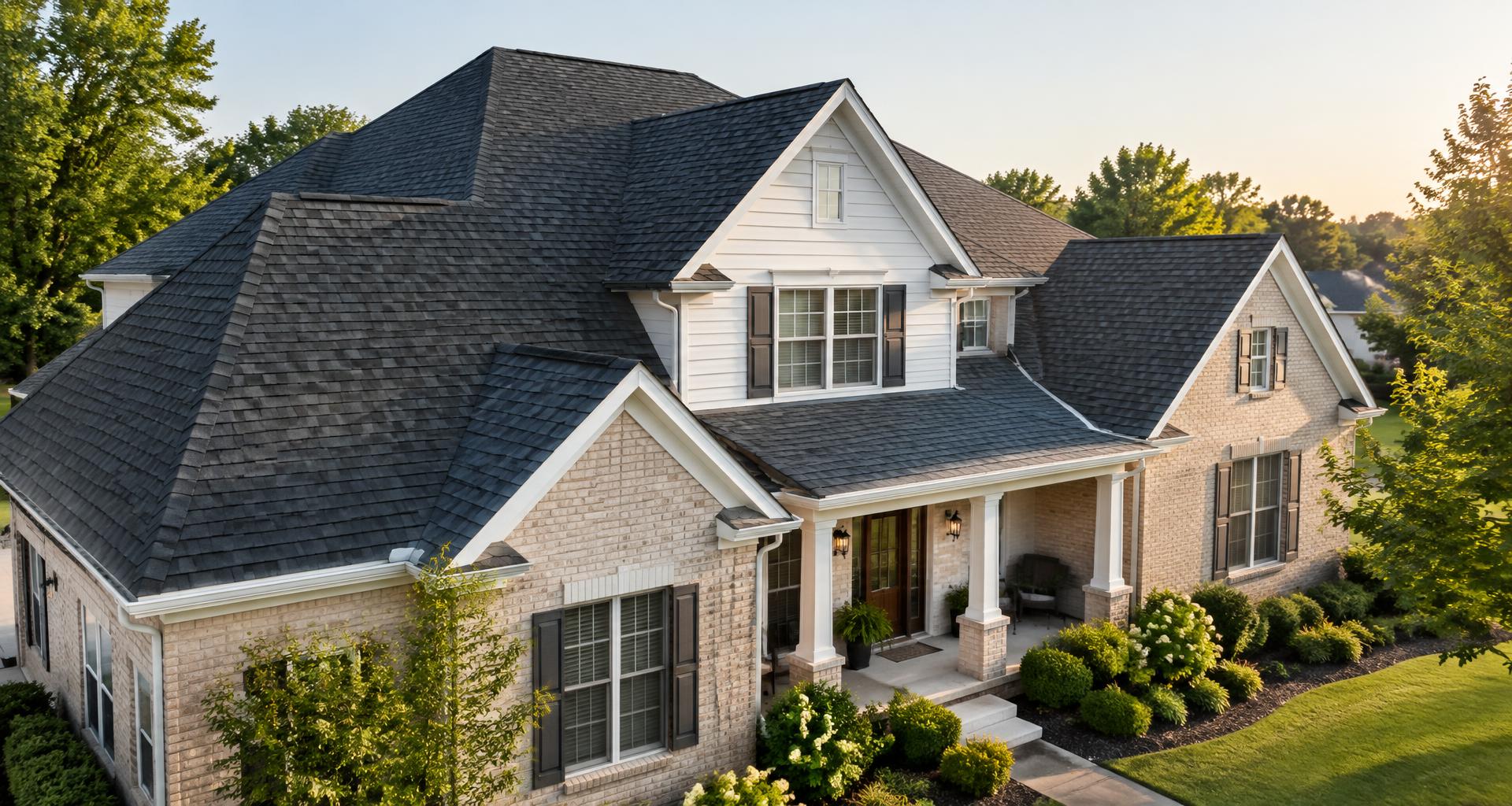
Hail, snow, and strong high elevation sunlight
Denver roofing decisions need to account for hail, winter snow, and strong sunlight at higher elevation. A roof can experience intense daytime heating and cold overnight conditions, making flexible seals and sound transitions important. Hail effects are not always obvious from a driveway, and cosmetic marks alone do not establish functional damage. A qualified assessment should separate roofing damage from unrelated aging or problems in flashing and drainage.
Snow may collect unevenly where roof planes meet, behind taller walls, or around equipment. Sunny conditions can melt some areas while shaded edges remain frozen. Neither a mild afternoon nor a clear looking roof section proves the whole assembly is carrying snow safely.
Roof types and material choices in Denver
Impact rated asphalt shingles are worth discussing, but a rating is not a guarantee against every hail event. Metal offers different denting, finish, and attachment considerations, while tile requires attention to supporting capacity and broken units. Low slope membranes need compatible detailing around penetrations and drains. Strong sun makes ultraviolet resistance relevant across systems; compare the actual product specification rather than assuming a material category is immune to weathering.
Material performance depends on the specific product, roof assembly, and installation; no material is universally best. Compare fastening, underlayment, flashing, ventilation where appropriate, and warranty exclusions rather than selecting by appearance alone.
Roofing Tips for Denver Homeowners in 2027
Document hail safely
Photograph visible conditions from the ground and keep repair records; the insurer, not TopShield or the roofer, decides coverage and claims. Photograph fallen hail or debris only when it is safe, without climbing up to search for impact marks.
Compare impact options
Ask which impact test applies to a proposed shingle and what the warranty excludes. Discuss appearance, repairability, and installation details alongside the rating rather than treating the label as complete protection.
Review snow collection
Do not climb onto the roof or attempt rooftop snow removal. If sagging, unusual cracking sounds, or other signs suggest structural distress, leave the affected building and seek qualified help.
Evaluate sunny exposures
Ask the roofer to compare weathering on different roof orientations. Brittle sealants or deteriorated penetration boots may need attention even where the covering still looks uniform from the street.
Check drainage routes
For a low slope section, ask how primary drains and any overflow provisions will be assessed. Keep observation at ground level and let qualified workers investigate blocked outlets or rooftop debris.
Coordinate rooftop equipment
Identify solar equipment, vents, and other attachments before pricing begins. Ask who handles removal and reinstallation when necessary, and obtain written responsibility for protecting those roof penetrations during the work.
Neighborhoods and suburbs around Denver
Denver houses range from older bungalows to newer infill properties with low slope roof areas and rooftop equipment. Ask whether an estimate includes all roof sections, including garage roofs and small transitions hidden from the street. Work around solar panels requires coordination with the appropriate qualified provider. Confirm local permit and inspection requirements for the proposed scope rather than relying on another homeowner’s project.
TopShield is a national referral service connecting callers with independent roofers, not a roofing contractor or a local roofing office. The independent roofer confirms inspection arrangements, access requirements, scope, and scheduling. Ask who will perform the assessment and obtain a written description of proposed work before making a decision.
Aurora · Lakewood · Arvada
TopShield’s referral coverage is nationwide, not limited to this list. Call to discuss your property’s location and confirm an independent roofer’s availability.
Denver roofing questions
Does impact rated roofing make a Denver home hail proof?
No. Impact ratings describe performance under specified test conditions, not immunity to real storms. Hail size, shape, wind, roof age, and installation can affect outcomes. Ask about the exact product and any cosmetic damage exclusions. An insurer decides whether a policy offers incentives or coverage; neither the roofer nor TopShield can promise that decision.
Should I remove snow myself when it collects behind a roof wall?
No rooftop snow removal should be attempted by an untrained homeowner. Uneven accumulations can be difficult to judge, and roof access adds fall hazards. If sagging, cracking sounds, or other warning signs suggest structural distress, leave the affected building and seek qualified help. Do not wait for visible collapse or assume sunshine resolves the concern.
Is a cool roof sensible in Denver’s sunny climate?
Reflective roofing can absorb less solar heat, but Denver also has heating needs. Suitability depends on the building’s insulation, roof configuration, moisture design, and the selected product. Ask for an assembly specific explanation rather than a promised energy saving. Color alone is not a complete measure of a roof’s heat performance or long term suitability.
More local roofing guidance
Roofing services
Planning and safety sources
These 2027 tips are maintenance planning guidance, not a weather forecast. Review DOE roof material guidance, FEMA snow safety, and IBHS roofing standards, and ask a qualified professional to assess your actual roof.