Roof repair & replacement in Louisville, Kentucky
TopShield Roofing is a national referral service connecting callers in Louisville and all US cities with independent local roofers. Discuss repair, replacement, new installations, or storm damage and confirm inspection terms directly with the roofer.
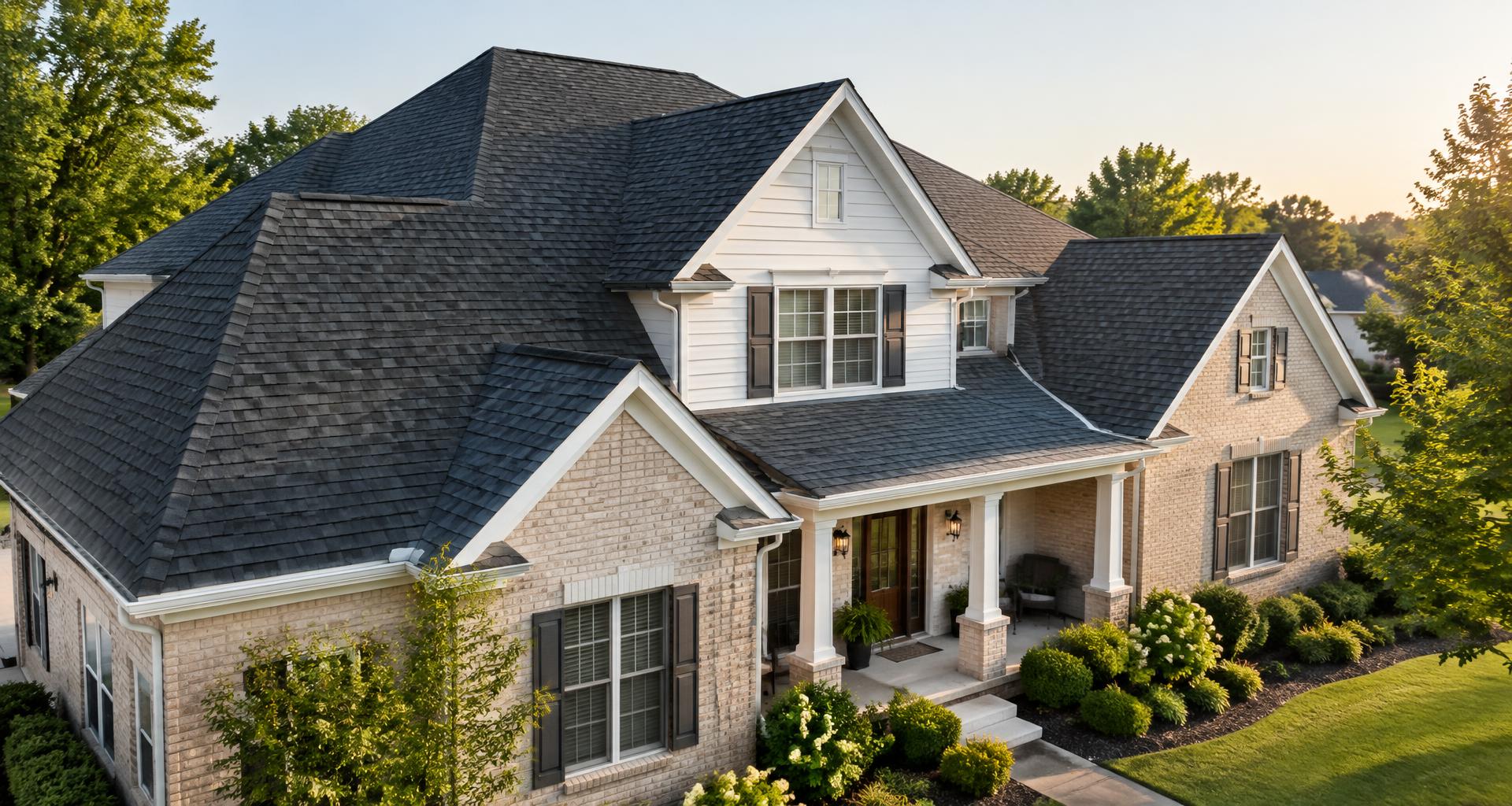
Ohio River humidity, hillside drainage, and Louisville roof transitions
Louisville combines humid summers, thunderstorms, heavy rain episodes, and winter freezing that can follow relatively mild periods. The Ohio River valley setting matters for moisture, while local hills and sheltered streets create different exposures across the city. A hillside house may have upper roof runoff concentrated onto a lower addition, whereas a flatter urban lot may struggle with limited drainage outlets. Neither setting should receive a diagnosis based on the city name alone.
Wind-driven rain can expose flashing defects around dormers and chimneys, and repeated wetting can make shaded debris pockets important. On sloping sites, roof discharge may travel toward retaining walls, steps, or a downhill neighbor. Ask where the roof water goes after it leaves the gutter. Basement moisture and river flooding involve other pathways and should not be presented as conditions a roofing replacement necessarily solves.
Make observations from the ground or a safe indoor location; do not climb onto a roof or attempt snow or ice removal. If new sagging, cracking, or other structural warning signs appear, leave the affected building and seek qualified help.
Roof types and material choices in Louisville
Asphalt shingles suit many pitched Louisville houses, but valleys and wall junctions deserve as much attention as the shingle selection. Older buildings may have slate or other distinctive coverings whose repairability should be assessed before removal. Metal can work on suitable sections when movement and flashing are detailed properly. Flat or low-slope rear roofs often need membrane systems with compatible transitions; coating an existing surface is not automatically a substitute for correcting drainage or an unsuitable substrate.
Roofing Tips for Louisville Homeowners in 2027
Trace downhill discharge in 2027
During safe ground-level observations in 2027, note where downspouts empty and whether water crosses walkways or reaches retaining walls. Ask the roofer to coordinate roof drainage recommendations with appropriate site-drainage help when needed. Do not redirect runoff onto an adjoining property.
Separate historic components
Request individual findings for slate, flashing, decorative edges, and masonry rather than one age-based replacement recommendation. Ask which elements can remain and what approvals may apply. Specialist repair options can be worth evaluating before a distinctive roof assembly is removed.
Define addition transitions
Have the contractor describe each upper-to-lower roof connection, including any wall flashing and gutter discharge. Include rear rooms and porches in the written scope if they are part of the problem. A whole-house estimate should still explain different slopes and materials.
Plan for wet debris
Record recurring leaf buildup visible from below, especially beneath large trees and near valleys. Arrange professional clearing and discuss branch clearance without climbing onto the roof. Ask whether repeated blockage reflects maintenance needs, drainage layout, or both before selecting a repair.
Budget for access constraints
For narrow streets and hillside drives, agree on staging, debris handling, and protection of steps or landscaping. Confirm any necessary permissions before work starts. Independent roofers establish their own inspection terms; a referral does not reserve equipment space or authorize use of shared areas.
Keep evidence and coverage distinct
Save dated photographs and inspection notes for any suspected 2027 storm damage. Ask the roofer to explain the physical findings and available repair choices in writing. The insurer decides claims and coverage; no referral or roofing proposal guarantees reimbursement.
Neighborhoods and suburbs around Louisville
Old Louisville includes historic masonry buildings where roof form, cornices, and chimney interfaces can complicate access and approvals. Highlands houses may sit on sloped lots beneath mature trees, while Germantown and Schnitzelburg include narrow properties with additions and constrained staging. Crescent Hill can present changing elevations and varied roof shapes. Check applicable preservation requirements before changing visible materials, and explain shared access or downspout arrangements rather than assuming the contractor can use neighboring property.
TopShield is a national referral service connecting callers with independent local roofers, not the contractor performing the work. The independent roofer confirms inspection terms, including scope and any fee, before the visit. Contracts, scheduling, and warranties must be confirmed directly with that contractor.
Old Louisville · Highlands · Germantown · Schnitzelburg · Crescent Hill · St. Matthews
TopShield’s referral coverage is nationwide, not limited to this list. Call to discuss your property’s location and confirm an independent roofer’s availability.
Louisville roofing questions
Can Louisville humidity explain a ceiling stain?
Humidity and condensation are possibilities, but a stain can also reflect flashing leakage, plumbing, or other moisture sources. Note when it appears and whether it follows rain or temperature changes. Have the relevant professionals evaluate the evidence rather than assuming that ventilation alone will fix it.
What makes a roof on a Louisville hillside different?
The covering still needs to suit its slope, but staging and runoff routes can be more complicated. Multiple levels may discharge onto lower sections, and downspouts can affect retaining walls or downhill areas. Ask for an explanation of both roof drainage and safe work access.
Should an Old Louisville roof be replaced with a modern material?
Not automatically. Existing material condition, supporting structure, flashing, and applicable preservation requirements should guide the discussion. Ask about repairability and compatible alternatives. Confirm approvals with the relevant local authority before signing for a visible material change.
More local roofing guidance
Roofing services
Planning and safety sources
These 2027 tips are maintenance planning guidance, not a weather forecast. Review DOE roof material guidance, FEMA snow safety, and IBHS roofing standards, and ask a qualified professional to assess your actual roof.