Roof repair & replacement in Miami, Florida
TopShield Roofing is a national referral service connecting callers in Miami and all US cities with independent local roofers. Discuss repair, replacement, new installations, or storm damage and confirm inspection terms directly with the roofer.
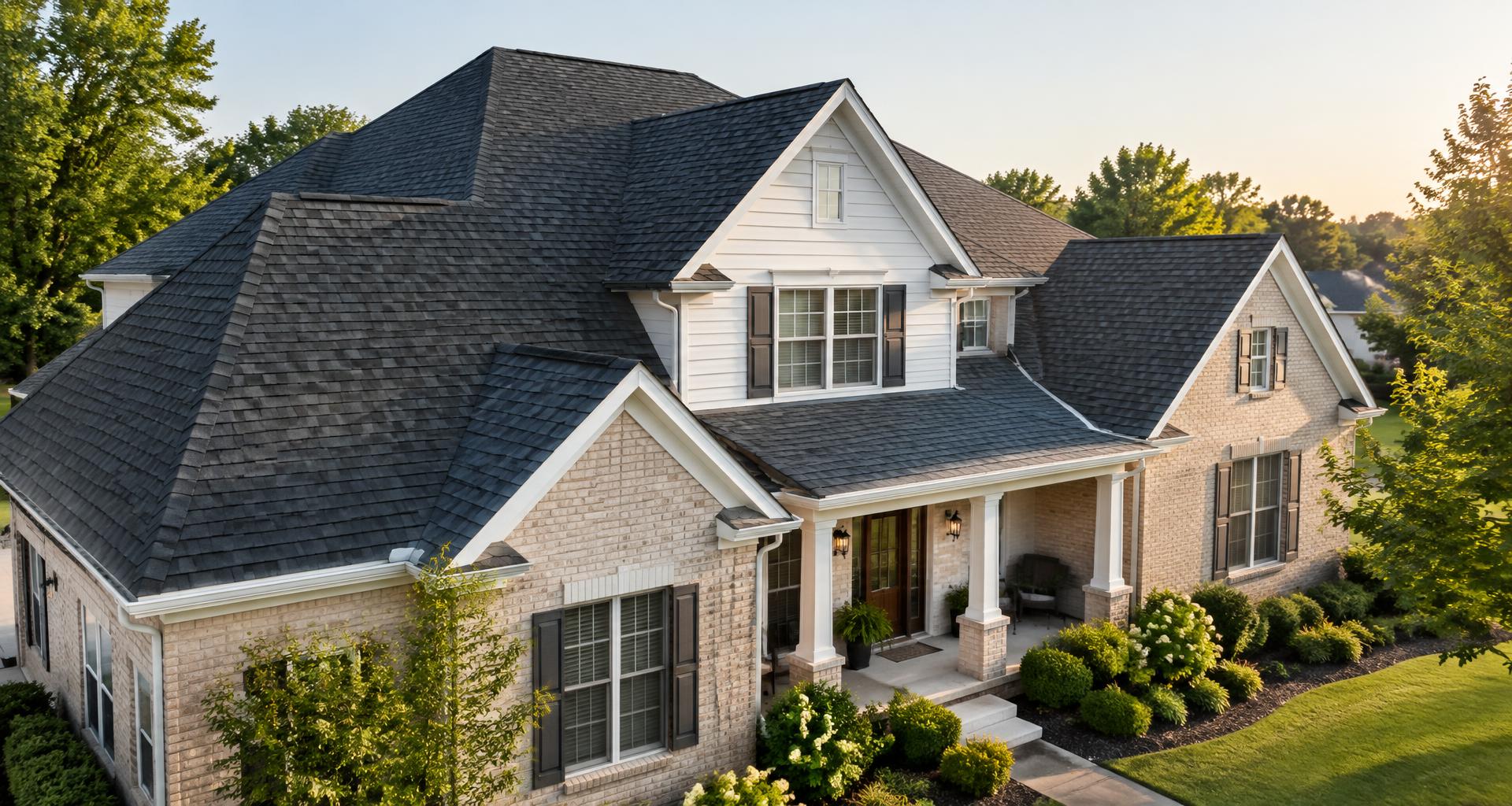
Hurricane exposure, intense sun, and South Florida assemblies
Miami roofs face strong sunshine, humid air, heavy downpours, and hurricane-related wind and rain exposure. A covering can remain visually attractive while underlayment, edge details, or penetrations develop problems. Roof evaluation should address the complete water-control and attachment system, particularly after wind-driven rain reaches places ordinary showers do not.
Salt exposure depends on actual proximity and openness to coastal air. A sheltered inland house and an exposed waterfront building should not automatically receive identical metal specifications. Where air-conditioning equipment or other rooftop systems are present, distinguish roof flashing problems from equipment drainage or service issues.
Roof types and material choices in Miami
Tile, asphalt, metal, and low-slope membranes require different details and approvals. Miami-Dade is within Florida’s High-Velocity Hurricane Zone; ask the roofer and building authority to identify the approval and installation requirements applicable to the specific assembly and project. A product approval is not a blanket statement that any installation method or accessory combination is acceptable.
Compare written proposals for the complete roof assembly, not only the visible covering. Ask what happens if concealed decking deterioration is found, which flashing components will be replaced, how penetrations will be detailed, and how debris and occupied entrances will be protected. Product suitability depends on slope, substrate, attachment, exposure, and installation. A material name alone does not establish wind resistance, watertightness, or suitability for the existing structure. Request an explanation of exclusions and maintenance responsibilities.
Roofing Tips for Miami Homeowners in 2027
Request assembly-specific documentation
Ask which proposed products and fastening details apply to the actual roof configuration. Have the roofer explain relevant Miami-Dade approval information rather than presenting a generic hurricane-resistant label as the entire specification.
Look beneath tile repairs
Request evaluation of underlayment and flashing when tile leakage recurs. Replacing a visible broken piece may not solve deterioration in the concealed water-control layer or a penetration nearby.
Discuss coastal metal compatibility
For an exposed site, ask about corrosion resistance and compatibility of fasteners, flashing, and accessories. Salt-related concerns vary by location and should not be reduced to a universal promise about metal roofs.
Clarify equipment responsibility
Identify who services rooftop air conditioning or other equipment. Roofing scope should distinguish curb flashing and penetrations from condensate problems or equipment repairs that need a separate service provider.
Protect shared entrances
On a multifamily property, coordinate assessment authorization and resident access. Deliveries and debris handling need a plan that does not assume a referral has already secured management permission.
Record wind-driven leaks
Note which side of the building was exposed and whether leakage occurred only during gusts. Share prior repair history so an assessor can investigate concealed transitions instead of repeatedly applying sealant to the same visible spot.
Neighborhoods and suburbs around Miami
Little Havana houses, Coconut Grove properties under tree cover, and attached or condominium buildings can have different access and authorization needs. Establish who controls the roof and rooftop equipment before arranging assessment. Confirm whether the City of Miami, another municipality, or the county has jurisdiction; a Miami postal address alone is not the answer. Discuss protection for occupied entries during material handling.
TopShield is a national referral service that connects callers with independent roofers. TopShield does not perform contractor work. The independent roofer evaluates the property and discusses any proposed work directly with the homeowner. A referral does not guarantee availability, an appointment, a particular repair, or a project outcome. Confirm who will assess the roof and who would carry out the work before authorizing anything.
Keep observations at ground level or inside normally accessible rooms. Do not climb a ladder, walk on roofing, enter a wet attic, or touch fallen wires to investigate damage. During lightning or strong wind, wait in a safe location rather than collecting photographs. Water near electrical equipment, a bulging ceiling, or signs of structural movement call for immediate safety precautions and appropriate emergency assistance, not a routine visual check.
If a weather event may be involved, preserve dated photographs, previous repair records, and a factual account of when a stain or missing material first appeared. Distinguish observations from assumptions about the cause. Ask the insurer what documentation and temporary protection procedures it requires. The insurer decides coverage and claims; neither TopShield nor an independent roofer can promise claim approval. A roof assessment and an insurance decision are separate processes.
Miami Beach · Coral Gables · Doral · Hialeah · Kendall
TopShield’s referral coverage is nationwide, not limited to this list. Call to discuss your property’s location and confirm an independent roofer’s availability.
Miami roofing questions
Does a Miami-Dade product approval mean any roof installation is acceptable?
No. Approval information is tied to defined products, conditions, and installation details. Ask how the proposed assembly matches the building, slope, attachment, and applicable requirements. The responsible building authority can clarify project-specific review questions.
Should every Miami tile leak be fixed by replacing tiles?
No. Tile breakage is one possible concern, but underlayment, flashing, penetrations, and drainage need assessment too. Ask what evidence identifies the entry pathway and whether a localized repair can reasonably address it.
Who should authorize a Miami condominium roof assessment?
The appropriate owner or association representative should clarify authority and access before arrangements are made. TopShield connects callers with independent roofers but does not itself establish association permission, contractor availability, or a guaranteed inspection time.
More local roofing guidance
Roofing services
Planning and safety sources
These 2027 tips are maintenance planning guidance, not a weather forecast. Review DOE roof material guidance, FEMA snow safety, and IBHS roofing standards, and ask a qualified professional to assess your actual roof.