Roof repair & replacement in Milwaukee, Wisconsin
TopShield Roofing is a national referral service connecting callers in Milwaukee and all US cities with independent local roofers. Discuss repair, replacement, new installations, or storm damage and confirm inspection terms directly with the roofer.
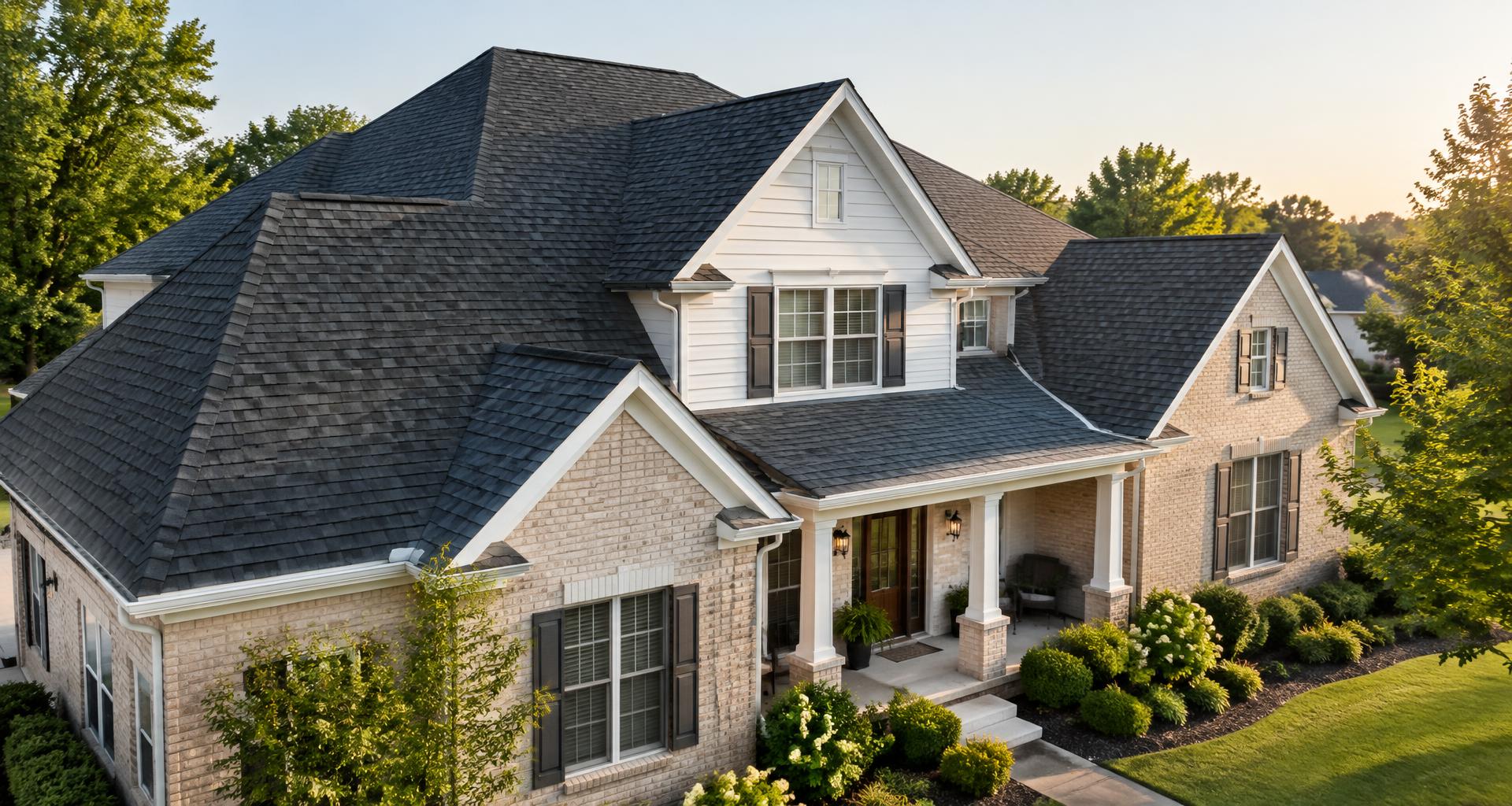
Lake Michigan weather, winter drainage, and Milwaukee roof forms
Milwaukee’s Lake Michigan setting brings lake-influenced temperature changes, moisture, and wind exposure alongside snow, freezing rain, summer thunderstorms, and repeated thawing. Conditions near the lake can differ from inland neighborhoods during the same season. Lake effects do not justify a fixed snow assumption for every property. Roof shape, nearby buildings, and exposure influence where snow or wind-driven rain collects, so observations should be tied to the actual house.
Winter leakage can involve backed-up meltwater, flashing defects, or warm indoor air reaching cold roof spaces. In warmer months, intense rain can expose obstructed drainage on low-slope additions and at upper roof outlets. From the ground, note recurring overflow and whether runoff lands on a porch roof or near an entrance. Do not assume every interior stain is a failure of the main covering.
Make observations from the ground or a safe indoor location; do not climb onto a roof or attempt snow or ice removal. If new sagging, cracking, or other structural warning signs appear, leave the affected building and seek qualified help.
Roof types and material choices in Milwaukee
Asphalt shingles fit many pitched Milwaukee roofs, but older slate or other distinctive materials deserve a repairability review where present. Metal can be considered with appropriate attachment, movement details, and snow-shedding planning above sidewalks and doors. Flat sections require suitable membrane systems and dependable edge and drain details. Ask how insulation, air sealing, and ventilation fit the proposed work; changing the roof color or adding vents alone does not establish a solution for winter moisture.
Roofing Tips for Milwaukee Homeowners in 2027
Record 2027 winter patterns
Keep a dated indoor and ground-level record of staining, thawing, and visible gutter overflow during 2027. Note whether a problem follows rain or snowmelt. Do not climb onto roofing or remove snow and ice; have qualified professionals assess drainage and any structural concerns.
Address duplex responsibilities
Before requesting work on a shared building, establish who can authorize inspection, approve costs, and provide access. Ask the roofer to identify the roof sections included in the estimate. A referral does not settle ownership boundaries or grant permission to enter another unit.
Review lake-facing details
Describe which elevations face open exposure and where wind-driven rain has coincided with symptoms. Ask about flashing, roof edges, and penetrations rather than assuming lake proximity requires one product. The contractor should explain the evidence supporting the proposed repair or assembly change.
Separate flat and steep scopes
Identify rear additions, porch roofs, and commercial sections separately from pitched areas. Ask which drainage outlets and perimeter details are included. If a proposal covers only the surface membrane, clarify how existing wall or edge defects would be addressed and authorized.
Plan safe entrance protection
For steep roofs or proposed metal systems, discuss snow shedding and the protection of doors, walks, and neighboring areas. Ask a qualified professional to evaluate any necessary assembly details. Do not position yourself under hanging ice to document it or attempt removal from a ladder.
Compare evidence before claims
Keep dated records and written findings for suspected 2027 storm damage, distinguishing cosmetic observations from diagnosed defects. Ask for repair options and contract exclusions. The insurer determines coverage, while the independent roofer confirms inspection terms, fees, scheduling, and any warranty directly with you.
Neighborhoods and suburbs around Milwaukee
Bay View and Riverwest include older homes and duplexes where additions, chimneys, and limited side access can complicate work. East Side properties may combine steep pitches, dormers, and proximity to lake-influenced wind. Historic Third Ward buildings often present low-slope commercial roof questions unlike detached residential roofs. Washington Heights includes varied older roof forms and mature trees. Confirm applicable historic review, shared ownership responsibilities, and staging permissions before approving changes or arranging deliveries.
TopShield is a national referral service connecting callers with independent local roofers, not the contractor performing the work. The independent roofer confirms inspection terms, including scope and any fee, before the visit. Contracts, scheduling, and warranties must be confirmed directly with that contractor.
Bay View · Riverwest · East Side · Historic Third Ward · Washington Heights · Wauwatosa
TopShield’s referral coverage is nationwide, not limited to this list. Call to discuss your property’s location and confirm an independent roofer’s availability.
Milwaukee roofing questions
Does living near Lake Michigan mean my Milwaukee roof needs replacement sooner?
Lake proximity alone does not establish remaining service life. Exposure, material condition, installation details, maintenance, and actual leakage history all matter. Ask the roofer to identify observed defects and repair options instead of using a shoreline location as a substitute for an inspection.
What should a Milwaukee duplex owner clarify before roof work?
Clarify authorization, shared expenses, occupied access, and whether the scope includes all roof sections or only a defined portion. Ask how deliveries and debris will be managed. The independent contractor confirms the appointment and contract; TopShield’s national referral service does not resolve ownership or access disputes.
Will extra attic vents prevent Milwaukee ice problems?
Not necessarily. Air leakage, insulation gaps, exhaust routing, and drainage can contribute alongside ventilation. Ask for an assembly-level explanation grounded in findings. Avoid treating one product as a guaranteed cure, and leave snow or ice removal and inaccessible attic evaluation to qualified professionals.
More local roofing guidance
Roofing services
Planning and safety sources
These 2027 tips are maintenance planning guidance, not a weather forecast. Review DOE roof material guidance, FEMA snow safety, and IBHS roofing standards, and ask a qualified professional to assess your actual roof.