Roof repair & replacement in Minneapolis, Minnesota
TopShield Roofing is a national referral service connecting callers in Minneapolis and all US cities with independent local roofers. Discuss repair, replacement, new installations, or storm damage and confirm inspection terms directly with the roofer.
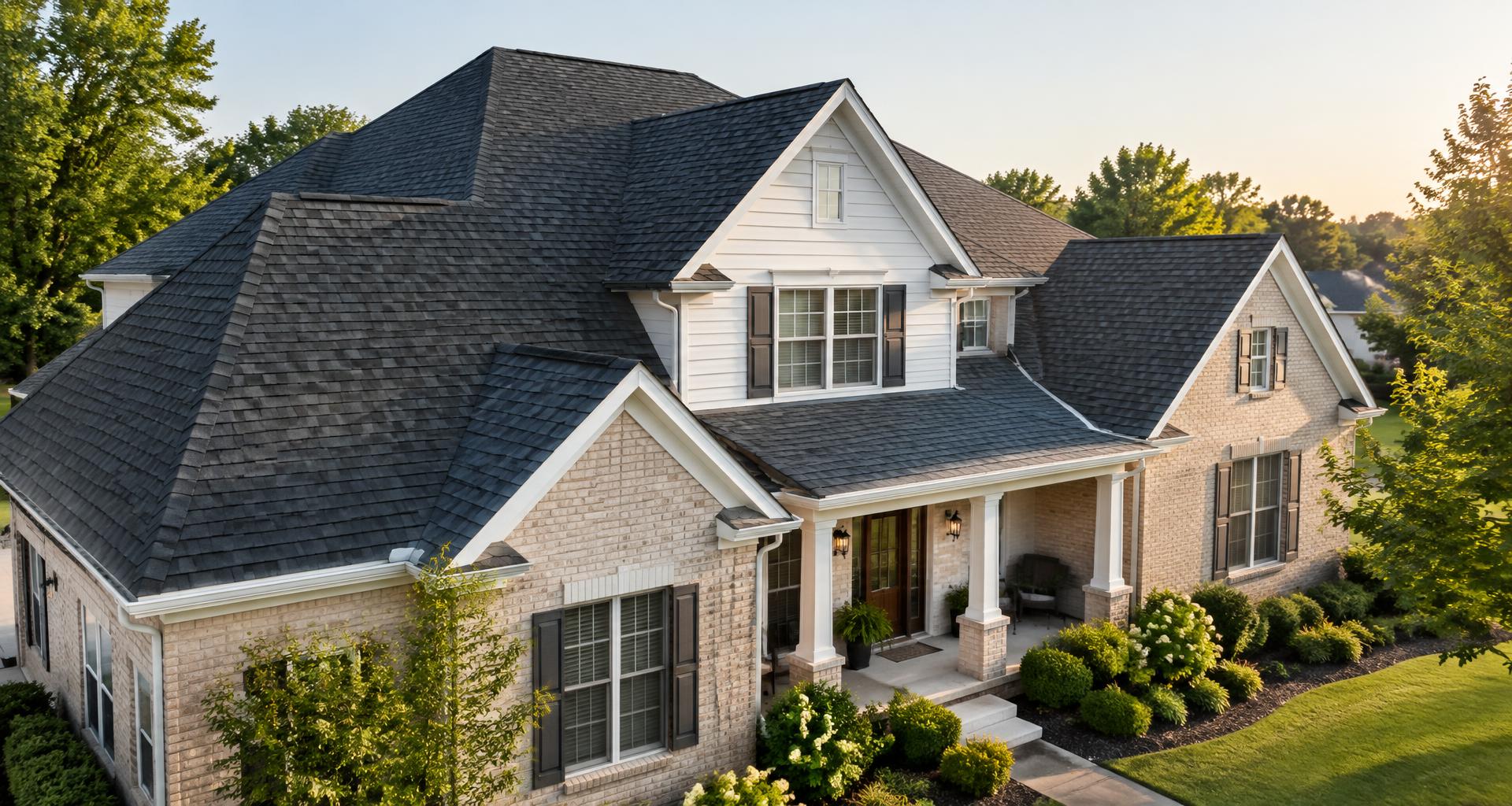
Minneapolis urban lakes, shaded roofs, and freeze-thaw cycles
Minneapolis roofs experience winter snow and ice, summer storms, and repeated freeze-thaw transitions, but urban setting matters as much as a citywide climate description. Near the Chain of Lakes, mature tree cover and open views across water can create contrasting shade and exposure on the same property. Lake proximity does not establish a roof's snow load or automatically explain a leak. Have the evaluator consider slope orientation, surrounding buildings, and the actual water pathways.
Snow can persist on shaded slopes while sunnier areas release meltwater toward cold eaves. Ice dams may involve heat escaping from the house, especially around altered attic spaces and dormers. Observe only from ground level or safely indoors, without climbing onto a roof or attempting ice removal. Keep clear of falling icicles and snow. New sagging or structural cracking calls for leaving the affected building and seeking qualified assistance.
Roof types and material choices in Minneapolis
Asphalt shingles can suit pitched houses, while low-slope additions and some urban buildings require membrane systems. Older slate or other durable coverings deserve a repairability assessment rather than automatic removal. At dormers and masonry chimneys, flashing condition may determine repair needs independently of the surrounding surface. Ask how the proposed system addresses eave protection, valleys, and transitions to flatter sections rather than comparing samples alone.
Metal may be appropriate for selected projects, but snow discharge above sidewalks, neighboring lots, and lower roofs needs careful design. For any covering, ventilation must fit the actual assembly. An older finished attic may have short or obstructed air paths unlike an open attic in a newer house. Air sealing, insulation continuity, and exhaust routing may require coordination with specialists rather than simply installing additional vents.
Roofing Tips for Minneapolis Homeowners in 2027
Map shade and meltwater
From ground level, note which slopes hold snow and where thaw water reaches gutters or sidewalks. Describe these differences during the inspection request. Do not conclude that a shaded roof needs replacement simply because its snow remains longer than a neighboring roof's.
Review finished-attic details
Tell the evaluator about rooms beneath roof slopes, past insulation work, and recurrent ceiling stains. Ask how the assembly manages air leakage and drying. A generic attic-vent recommendation may not fit enclosed rafter spaces or solve the underlying moisture pathway.
Plan alley logistics
For 2027 work, discuss delivery vehicles, waste placement, garage access, and protection of adjacent property before scheduling. Confirm any permissions with the appropriate parties. A referral does not arrange use of a shared alley or authorize crossing a neighboring lot.
Assess older coverings carefully
Ask whether existing slate, flashing, and fasteners can be repaired as separate components. Request evidence for removal rather than relying only on age. If replacement is proposed, ask how the weight and deck requirements of the new assembly will be evaluated.
Keep drainage on the right property
Have the contractor explain discharge from dormers, rear additions, and upper roofs near lot boundaries. Ask whether changes would concentrate water or sliding snow toward a neighbor. Confirm the intended drainage route in writing rather than treating gutters as an incidental accessory.
Record storm findings separately
Keep dated observations of hail, wind displacement, and winter leakage in distinct records so different events are not conflated. Your insurer decides claims and coverage. Ask the roofer to distinguish documented damage, maintenance conditions, and areas that could not be inspected.
Neighborhoods and suburbs around Minneapolis
South Minneapolis bungalows, larger houses near the lakes, North Side homes, and denser buildings closer to downtown can present different access and drainage challenges. Alley garages and narrow lots affect deliveries and debris placement. Shared walls or neighboring roof edges call for clear boundary discussions. Ask whether a porch or rear addition drains onto another section and whether replacement work requires coordination beyond the main household.
TopShield provides national referrals to independent local roofers, not roofing construction or a guaranteed appointment. The independent roofer confirms inspection terms, scope, availability, and any fee. Use 2027 maintenance planning to address known trouble spots and document uncertainties, not to predict storm activity or assume every older roof needs replacement.
Chain of Lakes · Longfellow · Nokomis · Northeast Minneapolis · St. Louis Park · Richfield
TopShield’s referral coverage is nationwide, not limited to this list. Call to discuss your property’s location and confirm an independent roofer’s availability.
Minneapolis roofing questions
Do houses near Minneapolis lakes need a special roof material?
Not automatically. Local shade, exposure, roof shape, drainage, and the building assembly matter more than proximity alone. Ask for a property-specific comparison of suitable systems. A lake-facing view is not a structural assessment or a reason to assume coastal-style roofing requirements.
Why can an ice dam recur after replacement?
The covering may have changed while attic air leaks, interrupted insulation, or a cold eave remained. Those conditions can still allow uneven melting and refreezing. An independent professional should investigate the whole assembly and coordinate any work outside the roofing scope.
Can a city roof inspection include the garage?
Only if that is part of the agreed scope. Alley garages, low-slope additions, and the main house may have different materials and defects. Confirm each structure, access limitations, and any separate fee before the visit so the resulting recommendations match your needs.
More local roofing guidance
Roofing services
Planning and safety sources
These 2027 tips are maintenance planning guidance, not a weather forecast. Review DOE roof material guidance, FEMA snow safety, and IBHS roofing standards, and ask a qualified professional to assess your actual roof.