Roof repair & replacement in New Orleans, Louisiana
TopShield Roofing is a national referral service connecting callers in New Orleans and all US cities with independent local roofers. Discuss repair, replacement, new installations, or storm damage and confirm inspection terms directly with the roofer.
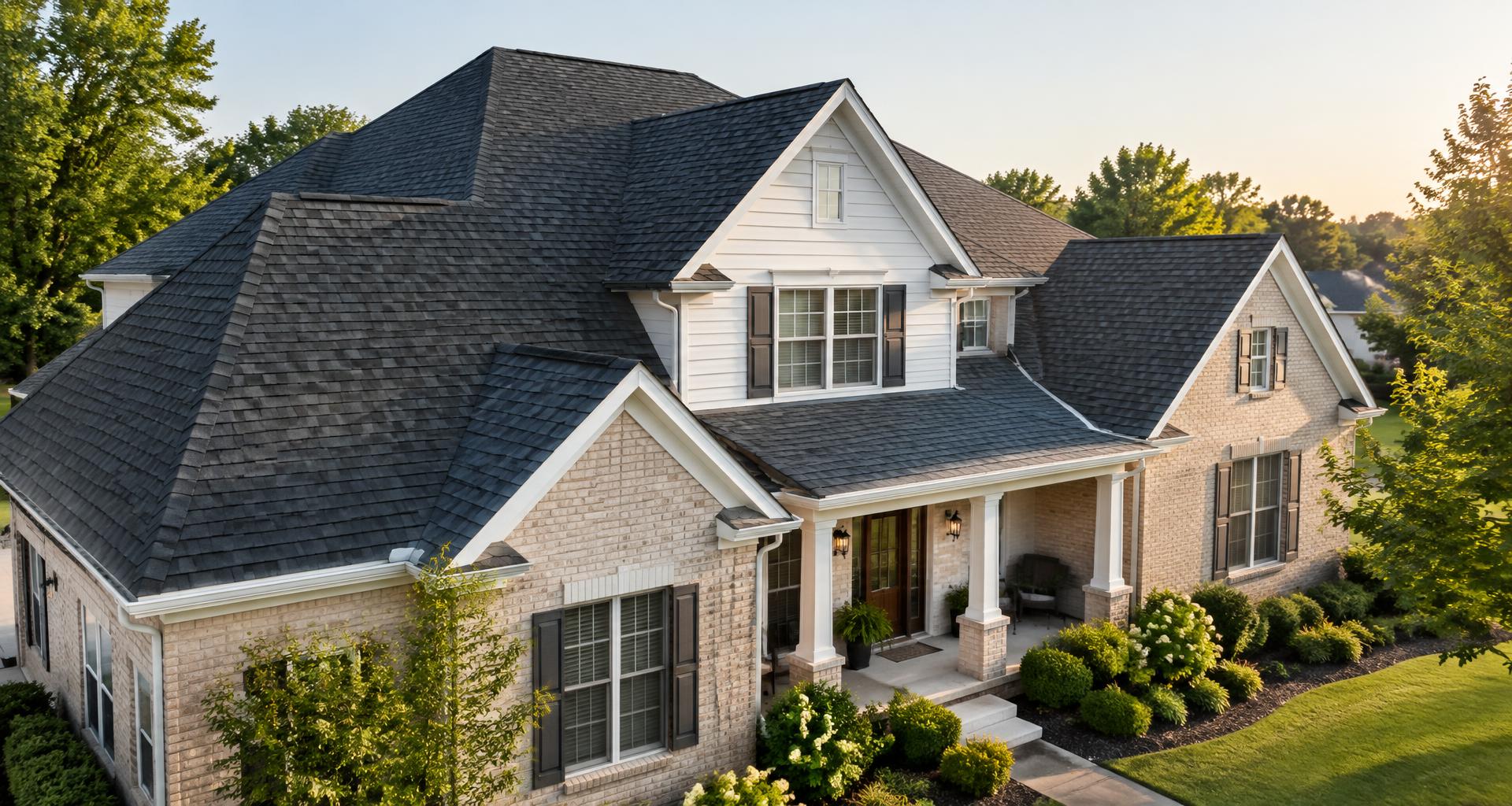
Tropical rain, humidity, and historic roof transitions
New Orleans roofs need to handle humid conditions, strong solar exposure, heavy rainfall, and tropical-system winds. Prolonged wind-driven rain can test small openings around vents and wall junctions. Roof drainage remains important even though neighborhood flooding has other causes; a repaired covering cannot solve a regional or street drainage problem.
Slow drying, debris, and repeated wetting can expose weaknesses in concealed wood and flashing. Interior stains may have several sources, including roof entry, condensation, or equipment. Describe timing and location carefully instead of assuming that water seen after a major storm necessarily entered through the visible roof field.
Roof types and material choices in New Orleans
Asphalt, metal, slate, and low-slope systems occur on different building types. On older roofs, assess repairable material, fasteners, supporting structure, and flashing separately. An attractive visible surface does not establish the condition underneath. Metal specifications should address attachment and compatible components; coastal-region exposure does not mean every property experiences the same salt conditions.
Compare written proposals for the complete roof assembly, not only the visible covering. Ask what happens if concealed decking deterioration is found, which flashing components will be replaced, how penetrations will be detailed, and how debris and occupied entrances will be protected. Product suitability depends on slope, substrate, attachment, exposure, and installation. A material name alone does not establish wind resistance, watertightness, or suitability for the existing structure. Request an explanation of exclusions and maintenance responsibilities.
Roofing Tips for New Orleans Homeowners in 2027
Verify the review authority
Identify the property’s actual jurisdiction and historic oversight before ordering visible changes. Different New Orleans locations may follow different review processes, and a general neighborhood description is not enough.
Trace rear-addition drainage
Ask where upper roof planes and narrow side gutters discharge. A lower addition may need separate material and flashing details even if the original house’s covering is retained.
Protect close neighbors
Agree on debris handling and protection for adjacent walls and courtyards. Do not assume a narrow side passage can be used for equipment without the neighboring owner’s permission.
Distinguish roof and flood water
Describe whether moisture began at the ceiling, a wall joint, or floor level. A roof assessment should not be sold as a remedy for ground-level flooding or unrelated drainage conditions.
Assess older coverings selectively
If slate or another specialty covering is present, request a condition-based repair discussion. A few displaced pieces and widespread attachment failure are different findings and should not lead automatically to the same scope.
Plan storm documentation
Keep accessible copies of prior roof descriptions and baseline photographs. After tropical weather, record observed changes safely and let the insurer determine coverage rather than accepting a promise that all proposed work will qualify.
Neighborhoods and suburbs around New Orleans
Shotgun houses, closely spaced historic homes, and buildings with rear additions present access and drainage constraints. Verify whether the property falls under HDLC, Vieux Carré Commission, or other applicable review before changing visible roofing. Party walls, shared courtyards, and narrow passages require explicit permission and protection plans. Document the transition between original construction and later additions rather than assuming those sections have matching slopes.
TopShield is a national referral service that connects callers with independent roofers. TopShield does not perform contractor work. The independent roofer evaluates the property and discusses any proposed work directly with the homeowner. A referral does not guarantee availability, an appointment, a particular repair, or a project outcome. Confirm who will assess the roof and who would carry out the work before authorizing anything.
Keep observations at ground level or inside normally accessible rooms. Do not climb a ladder, walk on roofing, enter a wet attic, or touch fallen wires to investigate damage. During lightning or strong wind, wait in a safe location rather than collecting photographs. Water near electrical equipment, a bulging ceiling, or signs of structural movement call for immediate safety precautions and appropriate emergency assistance, not a routine visual check.
If a weather event may be involved, preserve dated photographs, previous repair records, and a factual account of when a stain or missing material first appeared. Distinguish observations from assumptions about the cause. Ask the insurer what documentation and temporary protection procedures it requires. The insurer decides coverage and claims; neither TopShield nor an independent roofer can promise claim approval. A roof assessment and an insurance decision are separate processes.
Metairie · Kenner · Gretna · Harahan · Chalmette
TopShield’s referral coverage is nationwide, not limited to this list. Call to discuss your property’s location and confirm an independent roofer’s availability.
New Orleans roofing questions
Can I change roofing on a historic New Orleans house without review?
Do not assume so. Determine the property’s applicable review authority and ask about the proposed scope before selecting materials. Some locations have distinct oversight, and association or ownership permissions can add separate requirements.
Will fixing my New Orleans roof prevent street-flooding damage?
No roofing proposal can resolve every flooding pathway. Roof work addresses the roof assembly and its drainage, while ground-level water may involve site, street, or regional conditions. Explain where water first appears so the appropriate problem is investigated.
Is an old slate roof automatically beyond repair in this climate?
No. The slate, attachment, flashing, and structure need separate evaluation. Selective repairs may be reasonable when the broader assembly remains serviceable. Ask for documented reasons if replacement is recommended, especially where historic appearance or access complicates the work.
More local roofing guidance
Roofing services
Planning and safety sources
These 2027 tips are maintenance planning guidance, not a weather forecast. Review DOE roof material guidance, FEMA snow safety, and IBHS roofing standards, and ask a qualified professional to assess your actual roof.