Roof repair & replacement in Omaha, Nebraska
TopShield Roofing is a national referral service connecting callers in Omaha and all US cities with independent local roofers. Discuss repair, replacement, new installations, or storm damage and confirm inspection terms directly with the roofer.
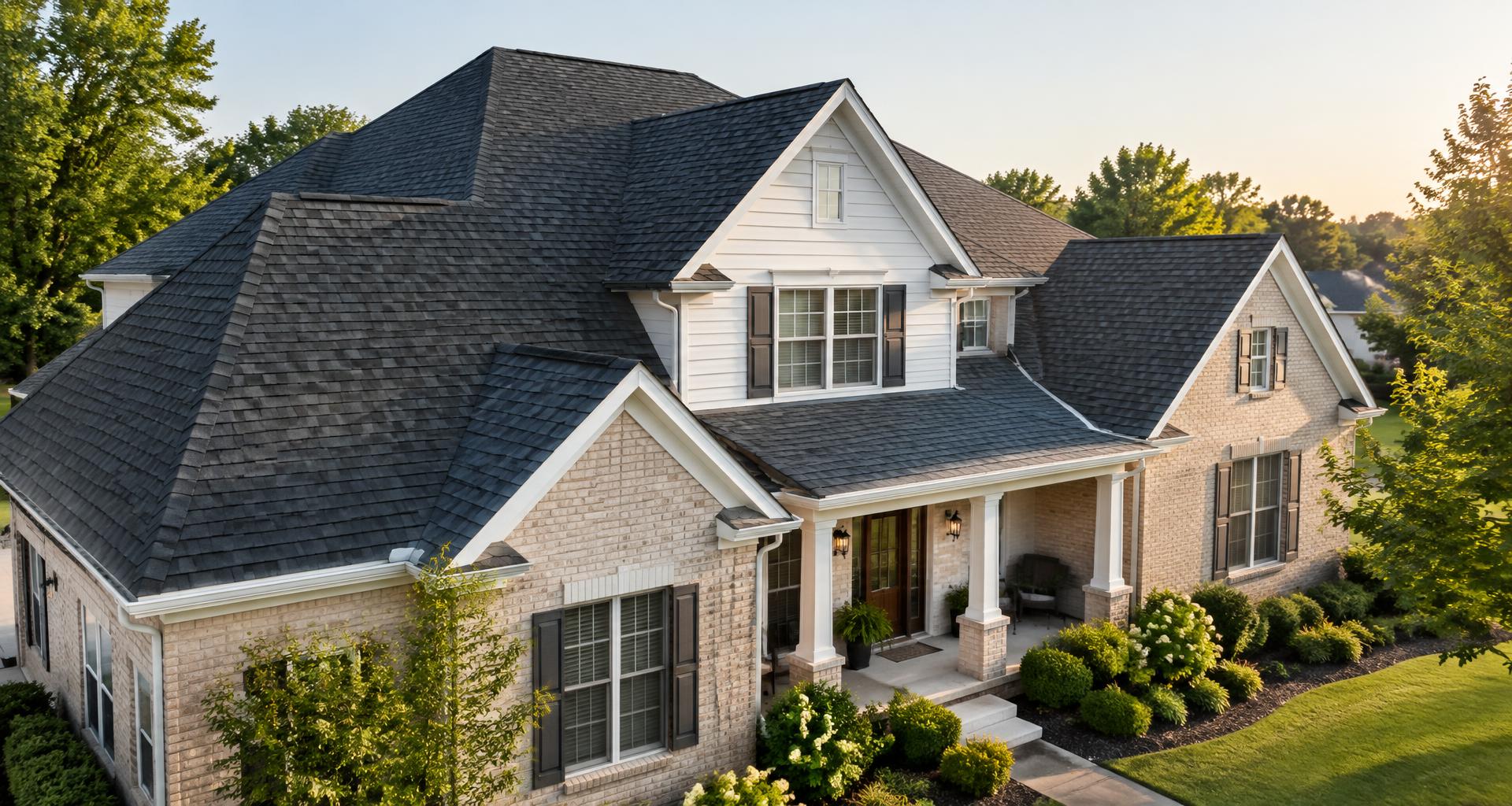
Missouri River bluffs, plains storms, and Omaha roof exposure
Omaha roofs face Great Plains thunderstorms, possible hail, strong winds, summer heat, and winter snow and ice. The Missouri River bluffs and rolling terrain create varied exposure, with open hilltop properties differing from sheltered streets. Roof geometry can concentrate snow or water where an upper section meets a lower addition. These conditions call for an assembly-specific review, not a promise that one material will withstand every Nebraska storm.
Heavy rain can reveal overflowing gutters, weak wall transitions, and concentrated discharge on sloping lots. Winter temperature changes can create meltwater followed by refreezing at colder edges. Note the difference between roof runoff and broader site drainage, especially where a downspout empties uphill of a walk or foundation. Roof work may address an entry point without resolving grading or groundwater conditions around the building.
Make observations from the ground or a safe indoor location; do not climb onto a roof or attempt snow or ice removal. If new sagging, cracking, or other structural warning signs appear, leave the affected building and seek qualified help.
Roof types and material choices in Omaha
Asphalt shingles offer choices in impact classification and wind-related installation details, but deck condition, fastening, and edges remain important. Metal may be appropriate for some roof forms, with attention to movement, appearance after hail, and snow shedding above occupied areas. Low-slope additions require systems suitable for their pitch and drainage. Compare complete assemblies, including underlayment and flashing, rather than assuming that a thicker shingle or a reflective finish compensates for weak supporting details.
Roofing Tips for Omaha Homeowners in 2027
Establish a 2027 baseline
Gather prior repair records and take dated exterior photographs from ground level for your 2027 maintenance file. Include visible gutters and roof edges without entering unsafe areas. A baseline helps explain changes after a storm but does not replace a professional roof assessment.
Compare impact ratings honestly
Ask what impact classification is specified and what it does not cover, including possible cosmetic changes. Verify any insurance-related benefit directly with your insurer. A product rating is not a weather forecast, a coverage decision, or a guarantee against future roof damage.
Explain hill access early
Tell the contractor about steep driveways, narrow side yards, and landscaping that could restrict equipment. Ask where loads and debris containers will be placed. Written access arrangements should protect occupied entrances and avoid assuming permission to use a neighbor’s property.
Connect gutters to discharge
From below, record which downspout sends water toward a slope, walkway, or foundation. Ask whether the roofing proposal includes gutter work or only the covering. Involve an appropriate drainage professional when the solution extends beyond roof runoff and into grading or site conditions.
Review snow-sensitive details
Ask how valleys, lower roofs, and entrances affect snowmelt and any proposed metal roof’s shedding behavior. Have a qualified professional evaluate structural questions rather than estimating capacity from the ground. Do not climb onto the roof or attempt to clear snow or ice yourself.
Require a written storm scope
For a suspected 2027 storm loss, ask the roofer to distinguish observed defects from assumptions and identify repair alternatives. Keep the proposal and claim correspondence together. The insurer decides coverage, while the independent contractor confirms inspection fees, contract terms, and scheduling directly.
Neighborhoods and suburbs around Omaha
Dundee and Benson include older houses with tree cover, chimneys, and additions that can complicate roof transitions. Field Club properties may have distinctive roof forms and limited staging options. Florence’s changing elevations make access and water discharge worth describing early. More open western Omaha neighborhoods may have different wind exposure and fewer sheltered work areas. Near the river, distinguish roof-specific leakage from site flooding, and confirm any applicable historic restrictions before changing visible materials.
TopShield is a national referral service connecting callers with independent local roofers, not the contractor performing the work. The independent roofer confirms inspection terms, including scope and any fee, before the visit. Contracts, scheduling, and warranties must be confirmed directly with that contractor.
Dundee · Benson · Field Club · Florence · Aksarben · Bellevue
TopShield’s referral coverage is nationwide, not limited to this list. Call to discuss your property’s location and confirm an independent roofer’s availability.
Omaha roofing questions
Does an Omaha hilltop need a different roofing material?
It may need different attention to exposure and attachment, but location alone does not determine the covering. Ask how roof shape, deck condition, edge details, and the selected product work together. Compare a complete installation scope rather than treating hilltop exposure as an automatic material recommendation.
Can hail damage be confirmed from the driveway?
Ground observations can record timing and visible changes, but they cannot establish the condition of every roof component. Have a qualified roofer document findings using safe professional methods. Do not climb up for photographs, and leave the final insurance coverage decision to the insurer.
Why might my Dundee addition leak but not the original roof?
The addition may have a lower pitch, separate membrane, or a vulnerable wall junction. Concentrated discharge from the upper roof can also matter. Ask for a section-by-section explanation and confirm whether the estimate includes the transition rather than only replacing the main roof surface.
More local roofing guidance
Roofing services
Planning and safety sources
These 2027 tips are maintenance planning guidance, not a weather forecast. Review DOE roof material guidance, FEMA snow safety, and IBHS roofing standards, and ask a qualified professional to assess your actual roof.