Roof repair & replacement in Phoenix, Arizona
TopShield Roofing is a national referral service connecting callers in Phoenix and all US cities with independent local roofers. Discuss repair, replacement, new installations, or storm damage and confirm inspection terms directly with the roofer.
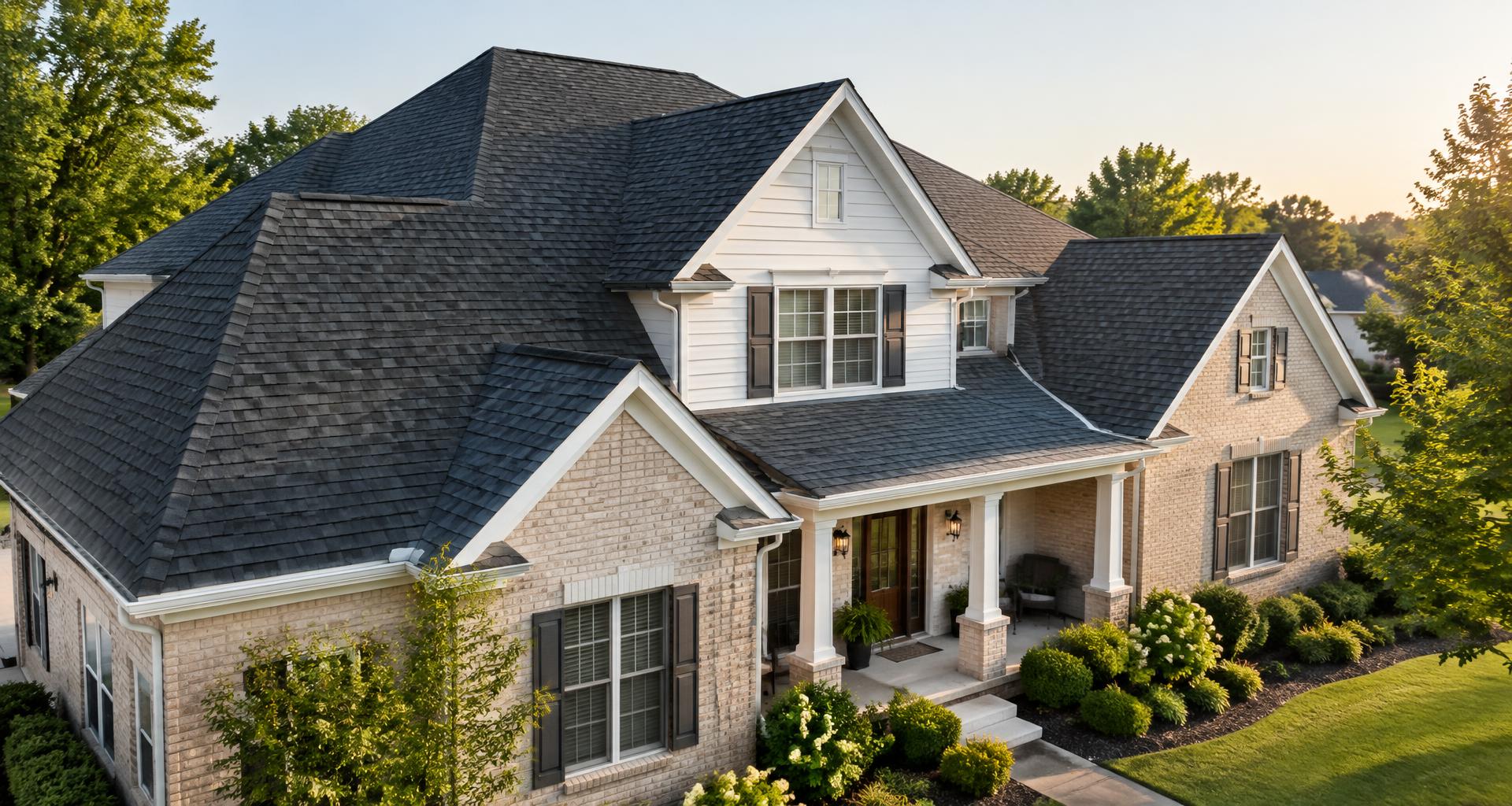
Intense sun, high heat, and monsoon debris
Phoenix roofs face prolonged sun exposure and high surface temperatures, followed by monsoon storms that can bring wind, intense rain, and debris. Dry periods can hide drainage problems until water arrives quickly. Dust and leaves near scuppers, drains, or roof transitions deserve attention even when the roof has not leaked recently. A dry looking interior is not proof that every flashing or underlayment detail remains sound.
Heat and ultraviolet exposure affect materials differently. Sealants, exposed membranes, and accessories can weather even when visible tile still looks intact. An assessment should examine the complete assembly and the routes water follows, not equate a durable outer surface with unlimited life beneath it.
Roof types and material choices in Phoenix
Tile can be a suitable outer covering, but the underlayment, flashings, supporting structure, and individual tile condition matter. Asphalt shingles offer different weight and repair characteristics, while low slope roofs may use foam, membranes, or compatible coating systems depending on the existing assembly. Coating is not an automatic substitute for correcting wet insulation, damaged substrate, or poor drainage. Reflective options deserve an assembly specific discussion rather than a blanket recommendation.
Material performance depends on the specific product, roof assembly, and installation; no material is universally best. Compare fastening, underlayment, flashing, ventilation where appropriate, and warranty exclusions rather than selecting by appearance alone.
Roofing Tips for Phoenix Homeowners in 2027
Check drainage before storms
From ground level, note visible debris at accessible discharge points and areas where runoff previously backed up. Arrange professional roof clearing; do not climb up to clear scuppers or walk on brittle tiles.
Ask about concealed layers
If tile is lifted for repairs, request documentation of underlayment and flashing condition. A few replacement tiles may not address a leak caused by deterioration beneath an otherwise intact looking surface.
Compare reflective systems
A cool roof reflects more sunlight and absorbs less solar heat, but suitability depends on climate, insulation, assembly, and the specific product; do not assume a particular bill reduction.
Coordinate rooftop equipment
List air conditioning equipment, solar panels, and other penetrations before the assessment. Ask who can safely handle each component and how removal, reinstallation, and waterproofing responsibilities will be documented.
Respect heat and lightning
Keep your own observations at ground level and avoid active storms. The independent roofer confirms safe inspection arrangements and may need to change the approach because of heat, lightning, or access conditions.
Document monsoon changes
Photograph visible conditions from the ground and keep repair records; the insurer, not TopShield or the roofer, decides coverage and claims. Note new debris, displaced tiles, and interior staining without assuming that each condition has the same cause.
Neighborhoods and suburbs around Phoenix
Phoenix homes may combine pitched tile sections with low slope patios or additions, so one property can need several repair approaches. Ask whether a proposal includes removal and reinstatement of tile where concealed work is required. Rooftop mechanical equipment and solar installations create coordination needs. The roofer should identify which qualified provider handles equipment work and how penetrations will be protected, rather than leaving those responsibilities unclear.
TopShield is a national referral service connecting callers with independent roofers, not a roofing contractor or a local roofing office. The independent roofer confirms inspection arrangements, access requirements, scope, and scheduling. Ask who will perform the assessment and obtain a written description of proposed work before making a decision.
Glendale · Tempe · Scottsdale
TopShield’s referral coverage is nationwide, not limited to this list. Call to discuss your property’s location and confirm an independent roofer’s availability.
Phoenix roofing questions
Can tile look fine while a Phoenix roof leaks?
Yes. Tile is part of an assembly that also relies on underlayment and flashing. Water can enter where those concealed components have deteriorated or where penetrations were poorly detailed. Ask the roofer to explain the evidence and the extent of tile removal needed to evaluate or repair the problem. Avoid walking on tile to investigate yourself.
Will a reflective coating solve heat and leakage together?
Not necessarily. Reflective surfaces absorb less solar heat, but a coating must be compatible with the existing roof and applied over a suitable substrate. It cannot be assumed to correct trapped moisture, structural issues, or inadequate drainage. Ask about preparation, assembly condition, and maintenance, with no promised numerical energy saving or guaranteed elimination of every leak.
Why inspect drainage when Phoenix weather has been dry?
Debris can accumulate during dry periods and interfere with runoff when a monsoon storm arrives. A ground level review of discharge areas and a professional assessment of rooftop drains or scuppers can identify maintenance needs. Dry weather makes planning possible, but does not guarantee availability; the independent roofer confirms inspection timing and the scope of any cleaning or repair.
More local roofing guidance
Roofing services
Planning and safety sources
These 2027 tips are maintenance planning guidance, not a weather forecast. Review DOE roof material guidance, FEMA snow safety, and IBHS roofing standards, and ask a qualified professional to assess your actual roof.