Roof repair & replacement in Raleigh, North Carolina
TopShield Roofing is a national referral service connecting callers in Raleigh and all US cities with independent local roofers. Discuss repair, replacement, new installations, or storm damage and confirm inspection terms directly with the roofer.
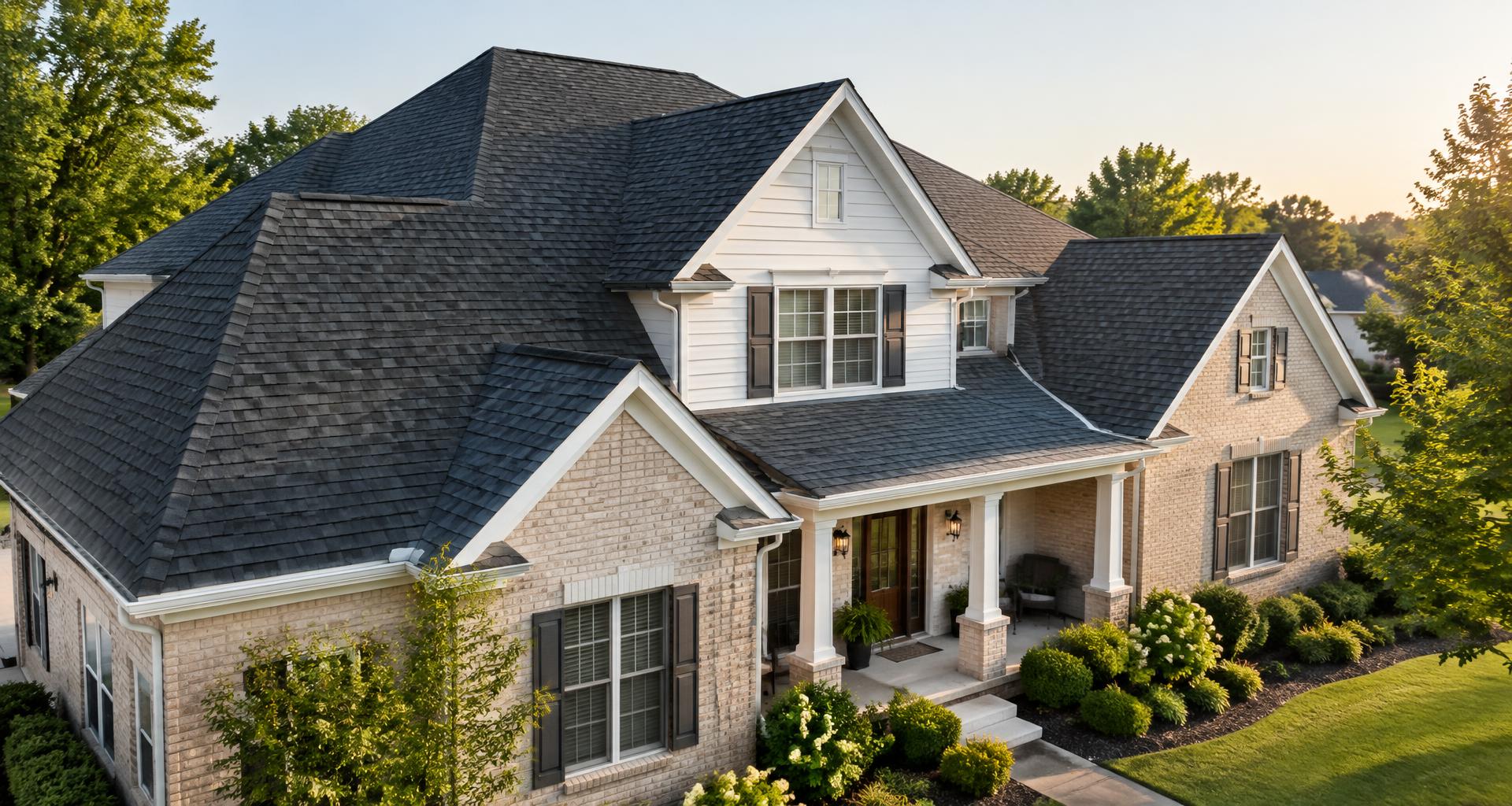
Tree canopy, humid weather, and tropical storm remnants
Raleigh roofs contend with humid summers, thunderstorms, and heavy rain or wind associated with tropical system remnants. The inland location does not remove the need to consider prolonged rainfall and wind driven water. Mature trees provide shade but also create debris sources and potential limb hazards. Leaves around valleys or behind roof features can keep water from following its intended route.
Wet weather can make a small flashing defect noticeable long before the main covering looks worn. Roof condition should be evaluated together with drainage, attic moisture, and tree exposure. A seasonal check is useful, but it cannot forecast whether a particular roof will withstand the next storm or avoid all leakage.
Roof types and material choices in Raleigh
Asphalt shingles are a common option for pitched roofs, with meaningful differences in attachment requirements and product specifications. Metal offers another appearance and maintenance profile, but its penetrations and transitions still require careful detailing. Low slope additions need suitable membrane assemblies. Reflective roofing can reduce absorbed solar heat, although the right choice depends on insulation, roof design, and product characteristics rather than a universal energy saving claim.
Material performance depends on the specific product, roof assembly, and installation; no material is universally best. Compare fastening, underlayment, flashing, ventilation where appropriate, and warranty exclusions rather than selecting by appearance alone.
Roofing Tips for Raleigh Homeowners in 2027
Plan around trees
Use a qualified tree professional for unstable limbs and branches near lines. Do not walk beneath hanging limbs to inspect shingles, and ask how tree debris will be removed before roof condition is assessed.
Map leaf collection
Note visible piles in valleys and behind chimneys from safe ground. Request professional clearing and an assessment of underlying surfaces rather than assuming a clean looking main slope means drainage is unobstructed.
Prepare for extended rain
Record existing stains and keep documents for earlier repairs. After safe conditions return, compare visible changes without climbing onto wet roofing or entering an attic that appears structurally unsafe.
Specify wind details
Ask how edge details, fastening, and attachment will be evaluated as a system, not just whether replacement shingles carry a wind rating. Ask how porch connections and roof to wall flashing are included in the proposed scope.
Review attic pathways
Tell the roofer about bathroom exhaust routes and recurring moisture smells. Ask whether the assessment points toward a roofing repair, an attic ventilation issue, or coordination with another qualified trade.
Keep claim roles clear
Photograph visible conditions from the ground and keep repair records; the insurer, not TopShield or the roofer, decides coverage and claims. Ask the roofer to document observations without promising how the insurer will interpret them.
Neighborhoods and suburbs around Raleigh
Raleigh properties may have wooded lots, additions, skylights, and multiple roof levels that complicate both inspection and repairs. Ask the roofer which areas can be evaluated safely and whether follow up access will be needed. Where a tree has struck the building, roofing and structural evaluation may be separate tasks. Confirm permit requirements and any neighborhood design approvals for the actual scope before selecting visible changes.
TopShield is a national referral service connecting callers with independent roofers, not a roofing contractor or a local roofing office. The independent roofer confirms inspection arrangements, access requirements, scope, and scheduling. Ask who will perform the assessment and obtain a written description of proposed work before making a decision.
Cary · Garner · Wake Forest
TopShield’s referral coverage is nationwide, not limited to this list. Call to discuss your property’s location and confirm an independent roofer’s availability.
Raleigh roofing questions
Do tropical remnants matter for a roof this far inland?
Yes. Heavy rain and wind can affect inland properties, although exposure varies by event and site. For Raleigh, useful preparation includes clear drainage routes, sound flashing, and attention to tree hazards. These measures cannot promise storm performance. Ask the roofer to describe specific weaknesses and practical corrections rather than offering a blanket storm proof guarantee.
Can trees cause a leak without falling onto the house?
Yes. Leaves and small debris can interfere with drainage, while branches in contact with roofing may cause wear. Shade can also slow drying. A roofer can assess the roofing consequences, and a qualified tree professional can address tree work. Do not climb onto the roof to pull branches away or work near unstable limbs or power lines.
Does a new roof automatically solve attic humidity?
No. Indoor moisture sources, exhaust routing, air leakage, and ventilation can contribute to attic problems independently of the covering. Ask what evidence supports the proposed repair and whether another qualified specialist should be involved. TopShield connects callers with independent roofers rather than inspecting or repairing directly; the roofer confirms the assessment scope and access arrangements.
More local roofing guidance
Roofing services
Planning and safety sources
These 2027 tips are maintenance planning guidance, not a weather forecast. Review DOE roof material guidance, FEMA snow safety, and IBHS roofing standards, and ask a qualified professional to assess your actual roof.