Roof repair & replacement in Richmond, Virginia
TopShield Roofing is a national referral service connecting callers in Richmond and all US cities with independent local roofers. Discuss repair, replacement, new installations, or storm damage and confirm inspection terms directly with the roofer.
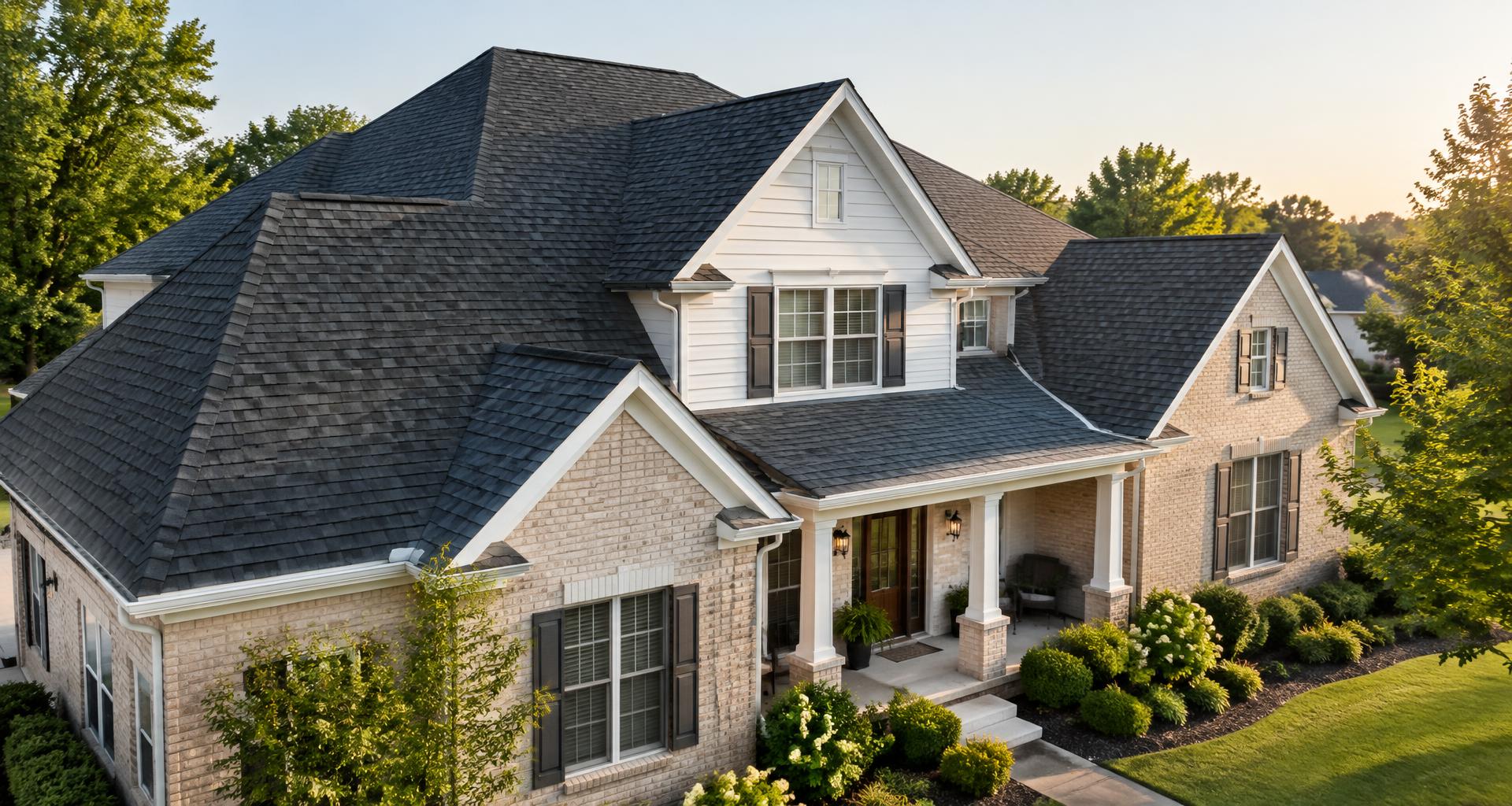
Richmond humid summers, river neighborhoods, and mixed roof forms
Richmond roofing decisions should account for humid summers, thunderstorms, periods of heavy rain, and winter freezing or occasional snow. Along the James River and its surrounding neighborhoods, elevation, canopy, and building form vary substantially. A river-area address does not by itself diagnose a roof problem or establish flood exposure. Separate roof runoff and above-ceiling leaks from surface water or river-related issues when describing symptoms.
Summer storms can drive rain toward wall junctions and expose obstructed gutters on tree-lined streets. Winter moisture may involve drainage, flashing, or condensation, so timing matters when investigating a stain. For 2027, document conditions through the seasons without predicting their severity. Stay at ground level or use safe indoor viewpoints; do not climb onto pitched roofs, parapets, or slippery additions to inspect damage.
Roof types and material choices in Richmond
Richmond’s older houses may retain slate or standing-seam metal, while asphalt shingles are common on many pitched suburban roofs. Attached buildings and rear extensions can include low-slope membrane sections that require different detailing from the street-facing roof. Ask whether repairs can preserve serviceable specialty materials and how the contractor will address chimneys, parapet walls, and transitions. Replacement proposals should distinguish the visible covering from deck work, underlayment, flashing, and any ventilation changes.
Roofing Tips for Richmond Homeowners in 2027
Separate front and rear assemblies
For a Fan or Museum District home, ask the roofer to list the front slope, rear low-slope extension, and parapet details separately in a 2027 proposal. Identify which sections are included in drainage work. A whole-house price without a roof-section inventory can make meaningful comparison difficult.
Assess slate before removal
On a Church Hill or other older house, request findings on individual slate condition, fasteners, flashings, and deck support. Ask whether targeted repairs remain practical and what limits that approach. Do not assume an aged covering has failed uniformly or that new shingles reproduce its appearance and load characteristics.
Follow river-neighborhood runoff
In Forest Hill or Westover Hills, note from the ground whether downspout discharge runs across a steep walkway or toward a foundation. Discuss roof drainage separately from yard grading and flood questions. Ask how any changed outlet location would affect the lot and adjacent properties.
Keep canopy maintenance coordinated
Arrange professional review of branches near roof edges before leaves accumulate in 2027. Tell the roofer where gutters overflow after summer rain and whether rear outlets are hard to reach. Ground-level observations are useful; walking onto a shaded, damp roof to clear debris is not a safe homeowner task.
Document narrow-site logistics
Before work on an attached block, agree on delivery access, debris removal, and protection for adjoining walls and occupied entrances. Identify permissions that require owner or neighbor involvement. Confirm any current historic-review obligations before changing visible materials, and record who is responsible for obtaining approvals.
Record weather and interior timing
If stains appear during summer storms or winter thaws, record the date, room, and observed conditions without diagnosing the cause. Request findings that distinguish flashing leaks from condensation or unrelated plumbing. Keep written repair recommendations for your records; the insurer alone decides whether a submitted claim is covered.
Neighborhoods and suburbs around Richmond
The Fan and Museum District feature closely spaced buildings where shared boundaries and narrow rear access affect staging. Church Hill includes older roof forms and masonry details that deserve individual assessment. In Forest Hill and Westover Hills, mature trees and sloping lots can complicate runoff toward the James River corridor. Nearby Henrico and Chesterfield properties fall under different local jurisdictions; clarify the address and any applicable historic review before finalizing a scope.
TopShield is a national referral service connecting homeowners with independent local roofers, not the contractor performing the work. Confirm inspection scope, scheduling, any fee, and proposed contract terms directly with the independent roofer. A referral does not establish roof condition or guarantee an outcome.
The Fan · Museum District · Church Hill · Forest Hill · Westover Hills · Henrico · Chesterfield
TopShield’s referral coverage is nationwide, not limited to this list. Call to discuss your property’s location and confirm an independent roofer’s availability.
Richmond roofing questions
Are Richmond river-neighborhood leaks always related to flooding?
No. A ceiling leak after rain may come from the roof, flashing, exterior wall, or another source, while river or surface flooding follows different pathways. Explain where water first appeared and whether it entered from above or below. Location near the James River is context, not a diagnosis.
Can a low-slope addition use the same shingles as my main roof?
That depends on the actual pitch and the product’s permitted installation conditions. A rear extension may need a membrane or another low-slope assembly even when the main roof uses shingles. Ask the roofer to identify the slope, proposed system, and transition details in writing rather than assuming visual consistency is sufficient.
What should a Richmond winter inspection consider?
Mention snowmelt timing, recurring edge leaks, and signs of attic moisture observed safely indoors. An evaluator can consider insulation, air leakage, ventilation, flashing, and drainage together. Do not climb up to remove snow or ice. If there are structural warning signs, avoid the affected area and seek qualified help.
More local roofing guidance
Roofing services
Planning and safety sources
These 2027 tips are maintenance planning guidance, not a weather forecast. Review DOE roof material guidance, FEMA snow safety, and IBHS roofing standards, and ask a qualified professional to assess your actual roof.