Roof repair & replacement in Seattle, Washington
TopShield Roofing is a national referral service connecting callers in Seattle and all US cities with independent local roofers. Discuss repair, replacement, new installations, or storm damage and confirm inspection terms directly with the roofer.
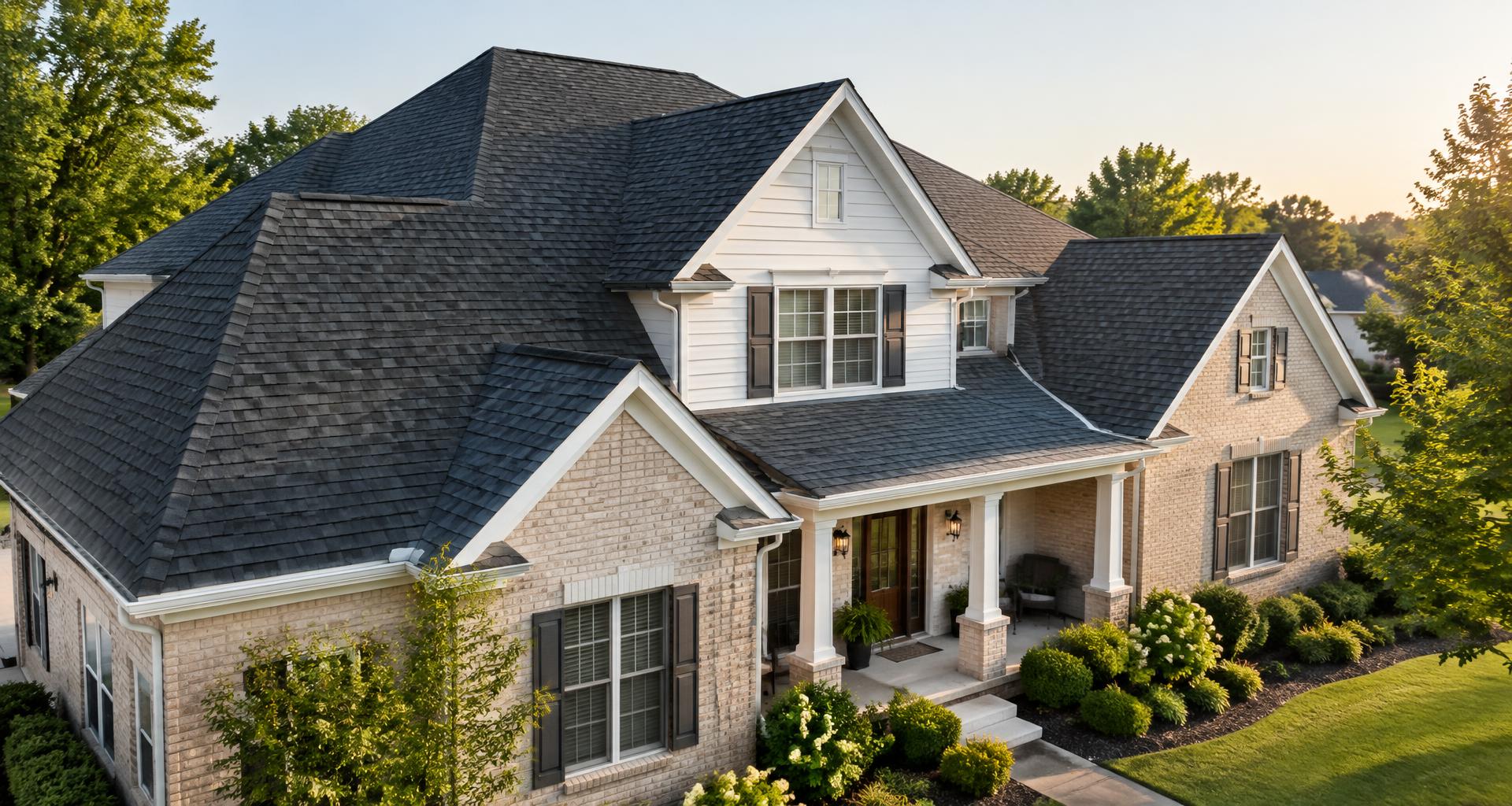
Marine-influenced rain, shaded assemblies, and controlled drainage
Seattle's marine-influenced climate makes wet-season drainage, prolonged dampness, and drying potential important roofing considerations. Shaded roof planes may stay wet longer than open ones, and needles or leaves can collect around valleys and drains. Moss growth deserves professional assessment, but its appearance alone does not reveal the condition of the deck, flashing, or underlying water-shedding layers.
Wind-driven rain can challenge wall junctions and penetrations, while occasional freezing conditions complicate access and drainage. Urban low-slope roofs may direct water through internal drains or scuppers rather than visible gutters. For 2027 maintenance, identify the actual discharge route and arrange condition-based professional service before recurring overflow becomes an indoor problem. Do not climb onto wet roofs or try to reach moss and blocked outlets from ladders.
Roof types and material choices in Seattle
Asphalt shingles can be appropriate for pitched roofs, but they need compatible maintenance that does not strip protective surface material. Metal systems require careful seam, edge, and accessory details; their ability to shed rain does not eliminate debris accumulation at intersections. Older specialty coverings deserve assessment of repairability and supporting details before a removal recommendation based simply on age or discoloration.
Low-slope contemporary houses, townhomes, and additions require membranes selected for the slope, substrate, and drainage configuration. Ask how parapets, door thresholds near roof decks, and equipment penetrations will be integrated where present. A coating is not automatically a solution for retained water or concealed moisture. Compare deck findings, insulation considerations, and flashing scope as carefully as membrane type. Indoor condensation should be investigated separately from a presumed exterior leak.
Roofing Tips for Seattle Homeowners in 2027
Map shared drain responsibility
Ask who maintains internal drains, scuppers, and connected discharge pipes on attached buildings. A clear proposal should distinguish roof-surface work from plumbing or association obligations and identify access needed to assess each component.
Arrange gentle professional moss care
Have the contractor explain the covering-specific method, runoff precautions, and what inspection can reveal after growth is addressed. Avoid aggressive washing promises and never attempt rooftop scraping or chemical treatment yourself.
Plan 2027 around known weak points
Use earlier overflow locations, leak photographs, and maintenance records to set priorities. Ask for a practical follow-up plan for shaded valleys and drains rather than an unsupported claim about how wet the coming year will be.
Include roof-deck interfaces
Where a roof deck or terrace exists, clarify membranes, thresholds, rail attachments, and removable finishes in the assessment scope. Visible walking surfaces can conceal drainage and waterproofing details that need specialist access and coordination.
Check wall junctions in proposals
Request an explanation of sidewall and chimney flashing work rather than a covering-only description. Rain can enter above the roof surface, so the roofer should identify limitations and whether another building-envelope trade is needed.
Document narrow-lot logistics
Discuss delivery routes, occupied entrances, and protection of neighboring property before approving work. Confirm permissions for shared access and whether equipment placement requires separate arrangements rather than assuming the referral includes logistical approvals.
Neighborhoods and suburbs around Seattle
Ballard and Wallingford properties can have older houses alongside newer infill with very different access arrangements. Capitol Hill townhomes may involve shared responsibilities, while West Seattle and Queen Anne sites can introduce sloping lots and staging constraints. Lake-adjacent exposure is not identical to a protected interior lot. Confirm ownership boundaries, association responsibilities, and permissions for shared drains before assuming one resident can authorize all roof work.
TopShield is a national referral service connecting homeowners with independent roofers and performs no roofing. Each independent roofer confirms inspection terms, scope, and any fee before the visit. Gather information only from ground level and safe indoor spaces. Stay away from water near electrical equipment and seek appropriate urgent help for serious hazards. Preserve dated observations for any claim, while recognizing that the insurer decides coverage and claim outcomes independently.
Ballard · Wallingford · Capitol Hill · West Seattle · Queen Anne · Shoreline
TopShield’s referral coverage is nationwide, not limited to this list. Call to discuss your property’s location and confirm an independent roofer’s availability.
Seattle roofing questions
Does every moss-covered Seattle roof need replacement?
No. Ask for findings about material condition, flashing, drainage, and concealed moisture where assessable. Professional maintenance or targeted repair may be appropriate, while broader deterioration may justify replacement. The recommendation should depend on evidence, not simply the amount of visible growth.
What if a townhome drain serves several units?
Establish ownership and maintenance responsibility before authorizing changes. Shared discharge systems may require coordinated inspection and approvals beyond one roof surface. Ask the independent roofer what can be assessed, what remains excluded, and whether another specialist needs to evaluate connected piping.
Can a summer inspection explain a winter-only leak?
It can help, especially with dated records showing when and where water appeared, but dry conditions may limit what is observable. Ask the roofer to describe those limitations and any proposed follow-up rather than treating an absence of active dripping as proof of no defect.
More local roofing guidance
Roofing services
Planning and safety sources
These 2027 tips are maintenance planning guidance, not a weather forecast. Review DOE roof material guidance, FEMA snow safety, and IBHS roofing standards, and ask a qualified professional to assess your actual roof.