Roof repair & replacement in Sioux Falls, South Dakota
TopShield Roofing is a national referral service connecting callers in Sioux Falls and all US cities with independent local roofers. Discuss repair, replacement, new installations, or storm damage and confirm inspection terms directly with the roofer.
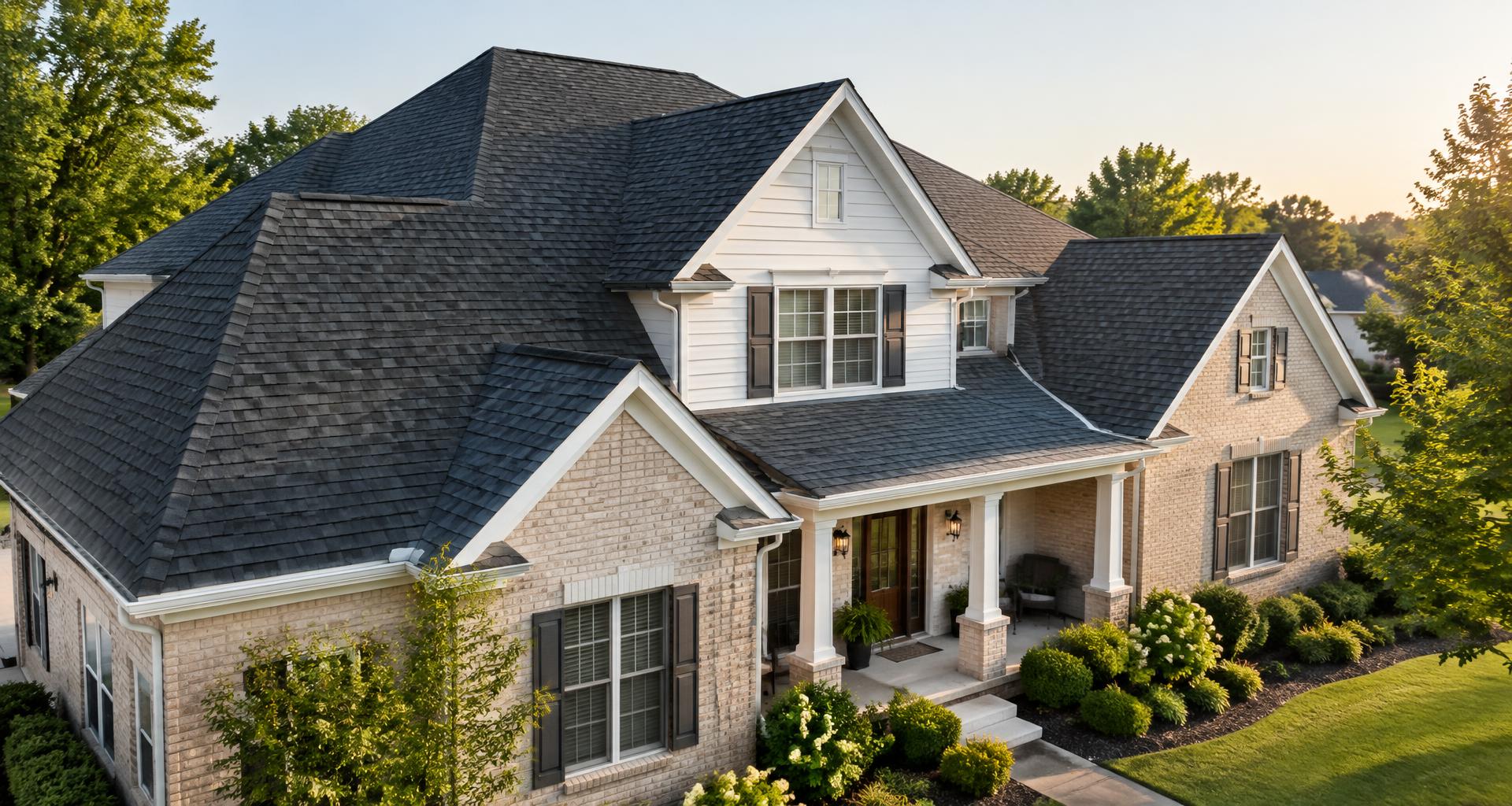
Sioux Falls hail exposure and freeze-thaw roof drainage
Sioux Falls roof decisions need to account for hail, thunderstorm winds, winter cold, and repeated transitions between frozen and flowing water. A steep valley can concentrate runoff at a small gutter section while an adjacent sheltered slope retains snow. Those local differences matter more than assuming the whole roof dries or thaws evenly. Discuss how water moves from each plane to an outlet and whether a lower addition interrupts that route.
Ice at the eaves can reflect heat loss through the assembly as well as outdoor conditions. Wind can also push precipitation toward weak flashing and exposed roof edges. Observe from ground level or a safe indoor location only; do not climb onto the roof or attempt snow and ice removal. If new sagging, unusual cracking, or other structural warning signs appear, leave the affected building and seek qualified assistance.
Roof types and material choices in Sioux Falls
Asphalt shingles are a practical comparison point for many pitched roofs, but the proposal should identify impact classification, fastening, starter components, and underlayment separately. A hail-related rating does not promise an undamaged roof or coverage. Metal may offer a different maintenance profile, yet dents, panel movement, penetrations, and snow discharge still need discussion. Ask how the contractor will evaluate existing decking before fastening a replacement system.
Low-slope garage or porch sections may need a membrane rather than the same covering as a steeper house roof. Water can back up where these roof forms meet, so transition flashing deserves its own description. For recurring eave ice, include attic air leakage, insulation continuity, and exhaust routing in the investigation. A new surface alone will not correct every moisture problem occurring within the roof assembly.
Roofing Tips for Sioux Falls Homeowners in 2027
Follow valley discharge
From ground level, note where valleys empty and whether gutters overflow during rain or thawing. Tell the roofer about water near entry steps or lower walls. Do not climb a ladder to clear a suspected blockage; arrange professional evaluation and safe maintenance.
Request component-specific hail findings
Ask which shingles, vents, flashing pieces, or other components show observed damage and why it matters. Keep dated photographs supplied by the roofer. Your insurer decides claims and coverage; a neighborhood storm history or contractor recommendation does not guarantee payment.
Check additions independently
Have the proposal identify each porch, garage, and rear extension by slope and covering type. Ask how transitions will be made watertight. A single whole-house material description can conceal important differences in substrate, drainage, and access that affect the actual work.
Plan spring moisture checks
Include a 2027 professional review of recurring winter stains after surfaces become accessible. Describe when staining stops as well as when it begins. That sequence can help distinguish thaw-related backup from rain entry or condensation without treating timing alone as a diagnosis.
Discuss trees and staging
Explain overhanging branches, narrow side yards, and occupied entrances before work is booked. Ask who coordinates any specialist tree work and how landscaping will be protected. A referral does not include those arrangements unless the contractor expressly agrees to them.
Compare repair alternatives
Request the evidence supporting localized repair versus replacement of a larger area. Ask how compatible materials and tie-ins would be handled, and what concealed damage could change the plan. Keep change approvals in writing rather than relying on an informal estimate.
Neighborhoods and suburbs around Sioux Falls
Homes near central Sioux Falls may combine mature trees, masonry chimneys, and older additions. More open sites on the expanding edges can present different wind exposure and staging opportunities. Lots near the Big Sioux River still need roof drainage assessed separately from river or surface-water issues. Do not assume a roofing contractor's findings establish the cause of unrelated foundation moisture or a broader flood problem.
TopShield provides national referrals to independent local roofers rather than performing construction or inspections. The independent roofer confirms appointment availability, inspection terms, any charge, and the work agreement. A useful 2027 plan should identify current defects, monitor uncertain symptoms, and distinguish optional resilience upgrades from necessary repairs without predicting next year's storms.
Downtown Sioux Falls · McKennan Park · Brandon · Harrisburg · Tea · Hartford
TopShield’s referral coverage is nationwide, not limited to this list. Call to discuss your property’s location and confirm an independent roofer’s availability.
Sioux Falls roofing questions
Should every Sioux Falls hailstorm lead to replacement?
No. Actual roof condition and documented damage determine the technical recommendation, while the insurer decides coverage. Ask for an assessment of affected components and any limits on inspection. Do not assume that work on neighboring properties proves the same need at your home.
Why does ice return after new shingles?
The cause may involve heat escaping into the roof, interrupted insulation, or drainage geometry rather than the age of the shingles. Ask the evaluator to trace the moisture and heat pathways. Corrective work may require coordination beyond the roofing surface itself.
Are low-slope porch roofs part of a shingle estimate?
Not necessarily. Confirm each section in writing and ask which system suits its actual slope. Transitions, wall flashing, and drainage should be included explicitly. Otherwise, a main-roof replacement may leave a separate porch defect or exclusion that was never addressed.
More local roofing guidance
Roofing services
Planning and safety sources
These 2027 tips are maintenance planning guidance, not a weather forecast. Review DOE roof material guidance, FEMA snow safety, and IBHS roofing standards, and ask a qualified professional to assess your actual roof.