Roof repair & replacement in Tulsa, Oklahoma
TopShield Roofing is a national referral service connecting callers in Tulsa and all US cities with independent local roofers. Discuss repair, replacement, new installations, or storm damage and confirm inspection terms directly with the roofer.
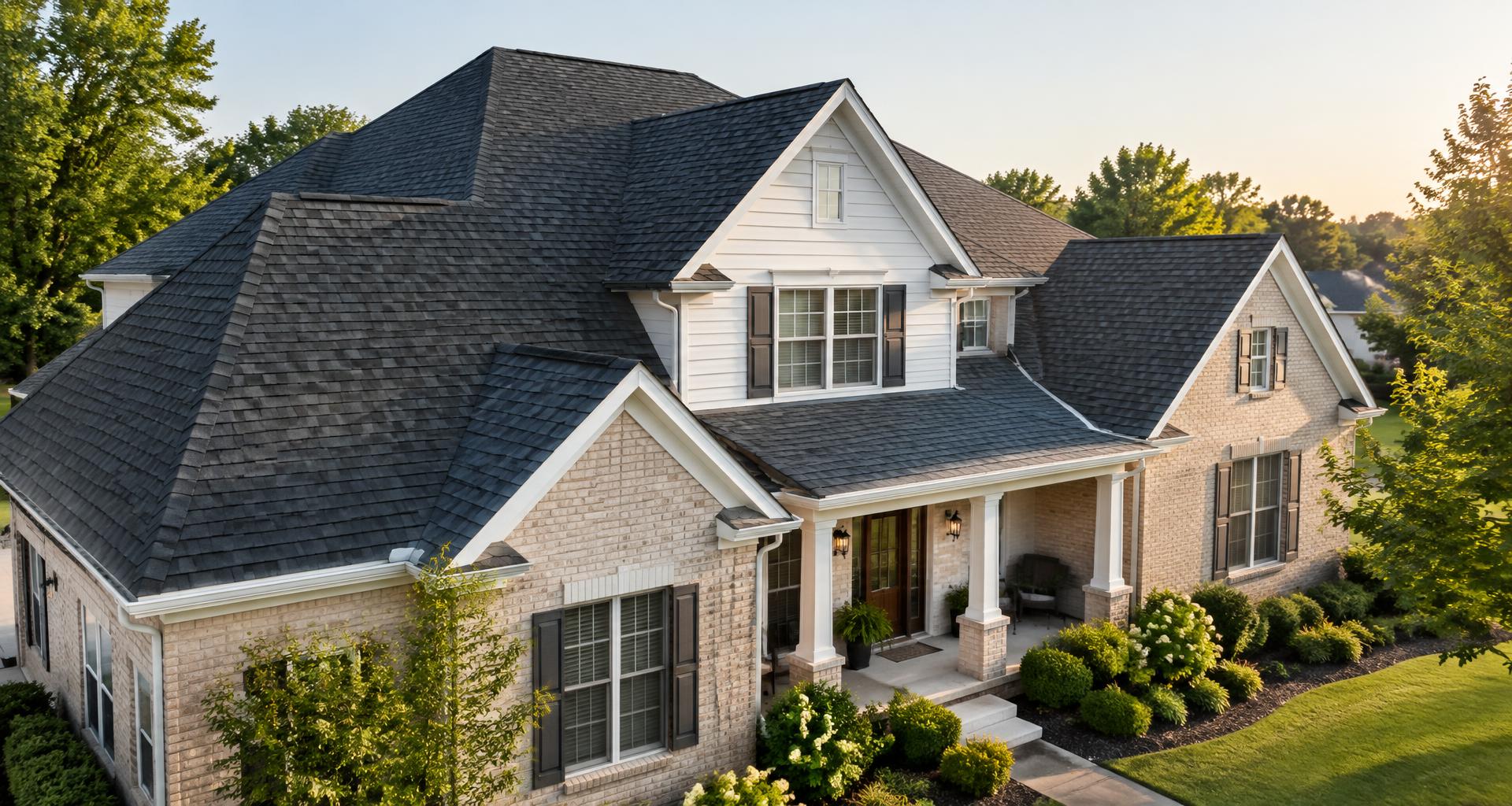
Storm exposure, wooded lots, and intersecting rooflines
Tulsa roofs encounter thunderstorms, hail, strong gusts, humid summer heat, and winter freezes. Tree-rich neighborhoods can have sheltered areas that hold moisture and collect debris, while nearby open slopes experience different wind exposure. Assess those conditions individually rather than assuming that every plane ages at the same rate.
A branch impact, an obstructed valley, and hail can produce different repair needs after the same storm. Record what can be seen safely and describe the timing of leakage. Do not move a hanging limb or walk beneath a damaged tree to obtain a better photograph.
Roof types and material choices in Tulsa
Asphalt shingles, metal, and specialty coverings should be evaluated in relation to the home’s slope and existing structure. For complex roofs, valley design and flashing may matter as much as the field product. Low-slope porch sections need compatible systems. Ask what impact testing covers, and distinguish surface appearance from a loss of water-shedding function rather than treating all storm marks alike.
Compare written proposals for the complete roof assembly, not only the visible covering. Ask what happens if concealed decking deterioration is found, which flashing components will be replaced, how penetrations will be detailed, and how debris and occupied entrances will be protected. Product suitability depends on slope, substrate, attachment, exposure, and installation. A material name alone does not establish wind resistance, watertightness, or suitability for the existing structure. Request an explanation of exclusions and maintenance responsibilities.
Roofing Tips for Tulsa Homeowners in 2027
Map tree-related exposure
Identify overhanging limbs and shaded valleys from the ground. Ask about safe coordination with a tree professional where needed; roof repairs should not begin beneath a known unstable limb.
Follow upper-roof runoff
Describe where valleys empty onto lower roofs or porches. Have the roofer assess concentrated flow and transition flashing rather than simply replace the covering directly above the ceiling stain.
Separate storm effects
Ask whether observed damage is from impact, wind movement, branch contact, or age. Those mechanisms can require different work even when the indoor symptom is the same leak.
Review complex flashing
For a house with dormers or several chimneys, request component-specific details. Reusing old flashing without evaluation can leave a new roof vulnerable at precisely the points that already leaked.
Prepare narrow access
Discuss how equipment will reach the rear of a Midtown property without damaging gates or neighboring landscaping. Shared routes require permission and must remain usable for residents and emergency access.
Keep winter notes
Record eave icing, thaw-related staining, or persistent attic condensation from normally accessible spaces. Avoid entering an unsafe attic; tell the assessor so ventilation and heat movement can be considered alongside exterior conditions.
Neighborhoods and suburbs around Tulsa
Midtown houses and Maple Ridge properties may feature dormers, chimneys, mature trees, and restricted side-yard access. Confirm any historic review applicable to the actual property. On homes with several additions, request a diagram or photographs showing how upper roofs discharge onto lower ones. A large house can still have a very small vulnerable transition responsible for recurrent leakage.
TopShield is a national referral service that connects callers with independent roofers. TopShield does not perform contractor work. The independent roofer evaluates the property and discusses any proposed work directly with the homeowner. A referral does not guarantee availability, an appointment, a particular repair, or a project outcome. Confirm who will assess the roof and who would carry out the work before authorizing anything.
Keep observations at ground level or inside normally accessible rooms. Do not climb a ladder, walk on roofing, enter a wet attic, or touch fallen wires to investigate damage. During lightning or strong wind, wait in a safe location rather than collecting photographs. Water near electrical equipment, a bulging ceiling, or signs of structural movement call for immediate safety precautions and appropriate emergency assistance, not a routine visual check.
If a weather event may be involved, preserve dated photographs, previous repair records, and a factual account of when a stain or missing material first appeared. Distinguish observations from assumptions about the cause. Ask the insurer what documentation and temporary protection procedures it requires. The insurer decides coverage and claims; neither TopShield nor an independent roofer can promise claim approval. A roof assessment and an insurance decision are separate processes.
Broken Arrow · Bixby · Jenks · Sand Springs · Owasso
TopShield’s referral coverage is nationwide, not limited to this list. Call to discuss your property’s location and confirm an independent roofer’s availability.
Tulsa roofing questions
Does Tulsa tree cover make a roof last longer?
Shade can reduce direct sun on some areas, but it can also slow drying and allow debris accumulation. Branch contact creates another concern. Ask for an assessment of actual roof condition and drainage rather than assuming that shade is uniformly beneficial or harmful.
Why does my Midtown porch leak after the main roof was replaced?
The porch may have a different slope, an unresolved upper-roof discharge, or flashing omitted from the original scope. Review the written work description and ask for an investigation of the junction, not simply another surface patch.
Should a Maple Ridge roof always be replaced with the same material?
Confirm the property’s requirements and evaluate repairability, structural suitability, and water-control details. Retaining an appearance may be appropriate, but the correct scope depends on the actual building and any applicable review rather than a neighborhood-wide assumption.
More local roofing guidance
Roofing services
Planning and safety sources
These 2027 tips are maintenance planning guidance, not a weather forecast. Review DOE roof material guidance, FEMA snow safety, and IBHS roofing standards, and ask a qualified professional to assess your actual roof.