Roof repair & replacement in Austin, Texas
TopShield Roofing is a national referral service connecting callers in Austin and all US cities with independent local roofers. Discuss repair, replacement, new installations, or storm damage and confirm inspection terms directly with the roofer.
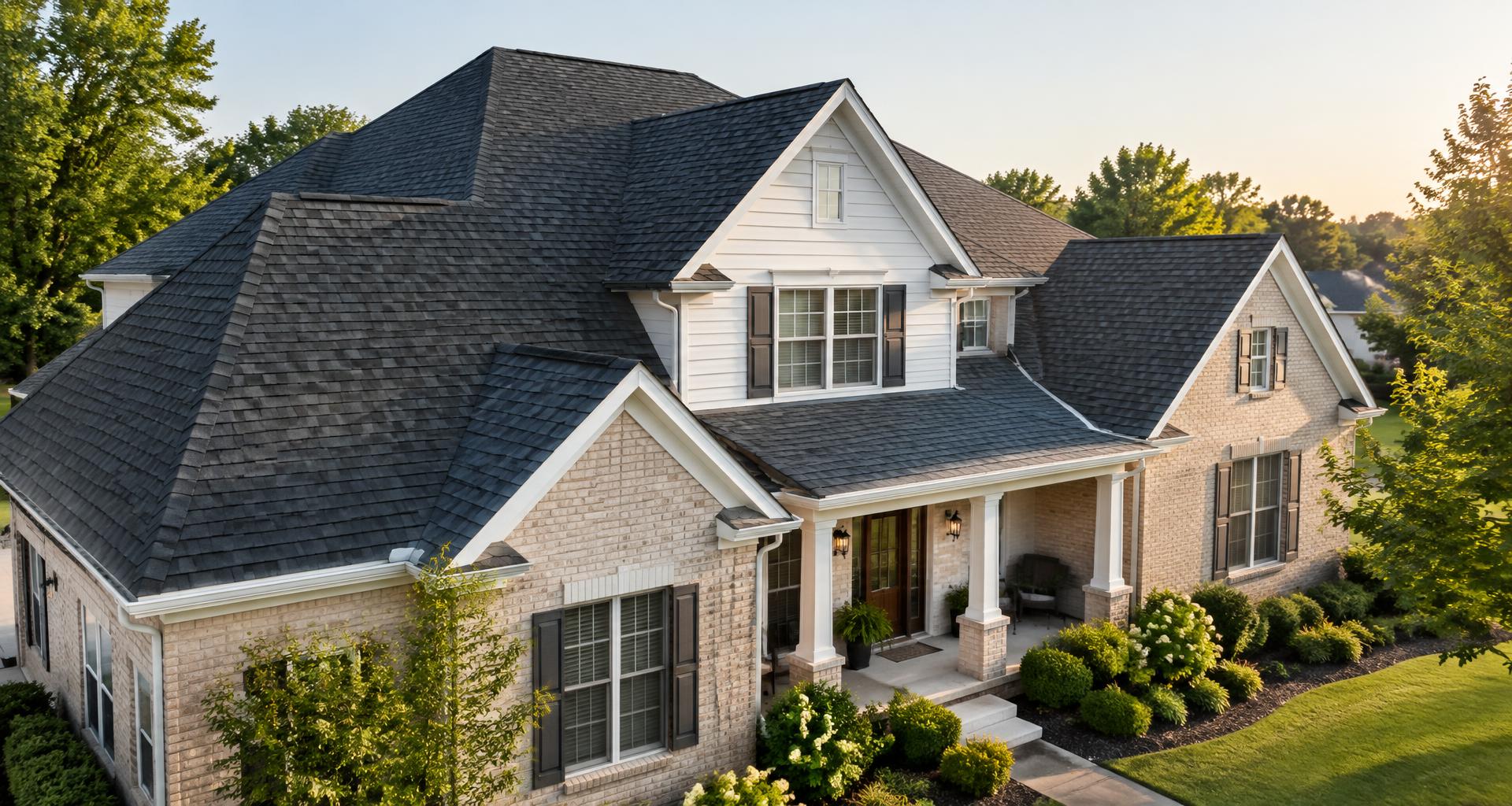
Hill Country runoff, hail exposure, and summer heat
Austin roofs face strong solar heating, thunderstorms that may contain hail, and occasional winter freezing. A shaded roof in a wooded ravine and an exposed roof on a ridge can have substantially different drainage and wind conditions. Ask the assessor to consider those differences instead of treating the entire property as one uniform exposure.
On sloping lots, roof discharge can land on steps, retaining-wall areas, or lower additions. Trouble at a ground-level doorway may involve both roof runoff and site drainage. Recording where water travels during ordinary rainfall is more useful than assuming the roof covering alone explains every wet spot.
Roof types and material choices in Austin
Asphalt shingles and metal systems are common comparison options for pitched homes, while contemporary low-slope designs need suitable membrane assemblies and deliberate outlet detailing. Impact testing is worth discussing where hail is a concern, but does not promise a damage-proof roof. Reflective products may reduce absorbed solar heat; they do not replace insulation or establish a specific reduction in cooling use.
Compare written proposals for the complete roof assembly, not only the visible covering. Ask what happens if concealed decking deterioration is found, which flashing components will be replaced, how penetrations will be detailed, and how debris and occupied entrances will be protected. Product suitability depends on slope, substrate, attachment, exposure, and installation. A material name alone does not establish wind resistance, watertightness, or suitability for the existing structure. Request an explanation of exclusions and maintenance responsibilities.
Roofing Tips for Austin Homeowners in 2027
Describe ridge exposure
Tell the roofer whether the house sits above surrounding trees or in a sheltered hollow. Ask how edge attachment and exposed transitions will be evaluated for the actual site.
Trace downhill discharge
Watch from safe ground for downspouts emptying toward stairs or a retaining wall. A roofing proposal should explain the roof outlet, while a separate drainage assessment may be needed beyond that point.
Coordinate solar details
Identify the party responsible for existing solar equipment and the condition of its mounts. Require a coordinated plan so roof work does not leave penetrations, wiring protection, or equipment reinstallation unresolved.
Document hail concerns
After conditions are safe, note the event and photograph visible changes from below. Do not use dents on a car as proof that every roof plane sustained equivalent damage.
Plan wooded-lot maintenance
Ask how leaves will be managed in valleys without damaging the covering. Tree trimming and roof access belong with appropriately equipped professionals, particularly where branches overhang steep slopes.
Check visible changes
Before selecting a dramatically different profile or color, check applicable historic or association review. Ask whether changes affect flashing heights, neighboring roof transitions, or drainage rather than considering appearance alone.
Neighborhoods and suburbs around Austin
Central Austin bungalows, hillside houses west of the urban core, and newer multifamily-style townhomes create different access questions. Narrow drives and steep approaches can restrict material delivery. In historic areas, confirm review requirements before changing a visible roof profile. Where rooftop solar exists, coordinate responsibilities for removal, storage, reinstallation, and penetrations rather than allowing those tasks to remain outside both contracts.
TopShield is a national referral service that connects callers with independent roofers. TopShield does not perform contractor work. The independent roofer evaluates the property and discusses any proposed work directly with the homeowner. A referral does not guarantee availability, an appointment, a particular repair, or a project outcome. Confirm who will assess the roof and who would carry out the work before authorizing anything.
Keep observations at ground level or inside normally accessible rooms. Do not climb a ladder, walk on roofing, enter a wet attic, or touch fallen wires to investigate damage. During lightning or strong wind, wait in a safe location rather than collecting photographs. Water near electrical equipment, a bulging ceiling, or signs of structural movement call for immediate safety precautions and appropriate emergency assistance, not a routine visual check.
If a weather event may be involved, preserve dated photographs, previous repair records, and a factual account of when a stain or missing material first appeared. Distinguish observations from assumptions about the cause. Ask the insurer what documentation and temporary protection procedures it requires. The insurer decides coverage and claims; neither TopShield nor an independent roofer can promise claim approval. A roof assessment and an insurance decision are separate processes.
Round Rock · Cedar Park · Pflugerville · Buda · Dripping Springs
TopShield’s referral coverage is nationwide, not limited to this list. Call to discuss your property’s location and confirm an independent roofer’s availability.
Austin roofing questions
Is metal automatically the best roofing choice in Austin heat?
No. Reflectance, coating, attachment, insulation, geometry, and ventilation all influence performance. A properly specified metal assembly may be suitable, but so may other systems. Compare complete assemblies for your slope and exposure rather than a generic claim about heat.
Why does my hillside Austin addition leak only during downpours?
Concentrated runoff from a larger upper roof can overwhelm a lower transition or reveal poor flashing. Ask the assessor to trace the contributing roof area and outlet route. The apparent interior location may be far from where water entered.
Can roofing work proceed around existing solar panels?
The scope depends on which roof areas need access and who controls the equipment. Arrange responsibility for any removal and reinstallation before work starts. A referral through TopShield does not itself establish that solar-related services are included.
More local roofing guidance
Roofing services
Planning and safety sources
These 2027 tips are maintenance planning guidance, not a weather forecast. Review DOE roof material guidance, FEMA snow safety, and IBHS roofing standards, and ask a qualified professional to assess your actual roof.