Roof repair & replacement in Houston, Texas
TopShield Roofing is a national referral service connecting callers in Houston and all US cities with independent local roofers. Discuss repair, replacement, new installations, or storm damage and confirm inspection terms directly with the roofer.
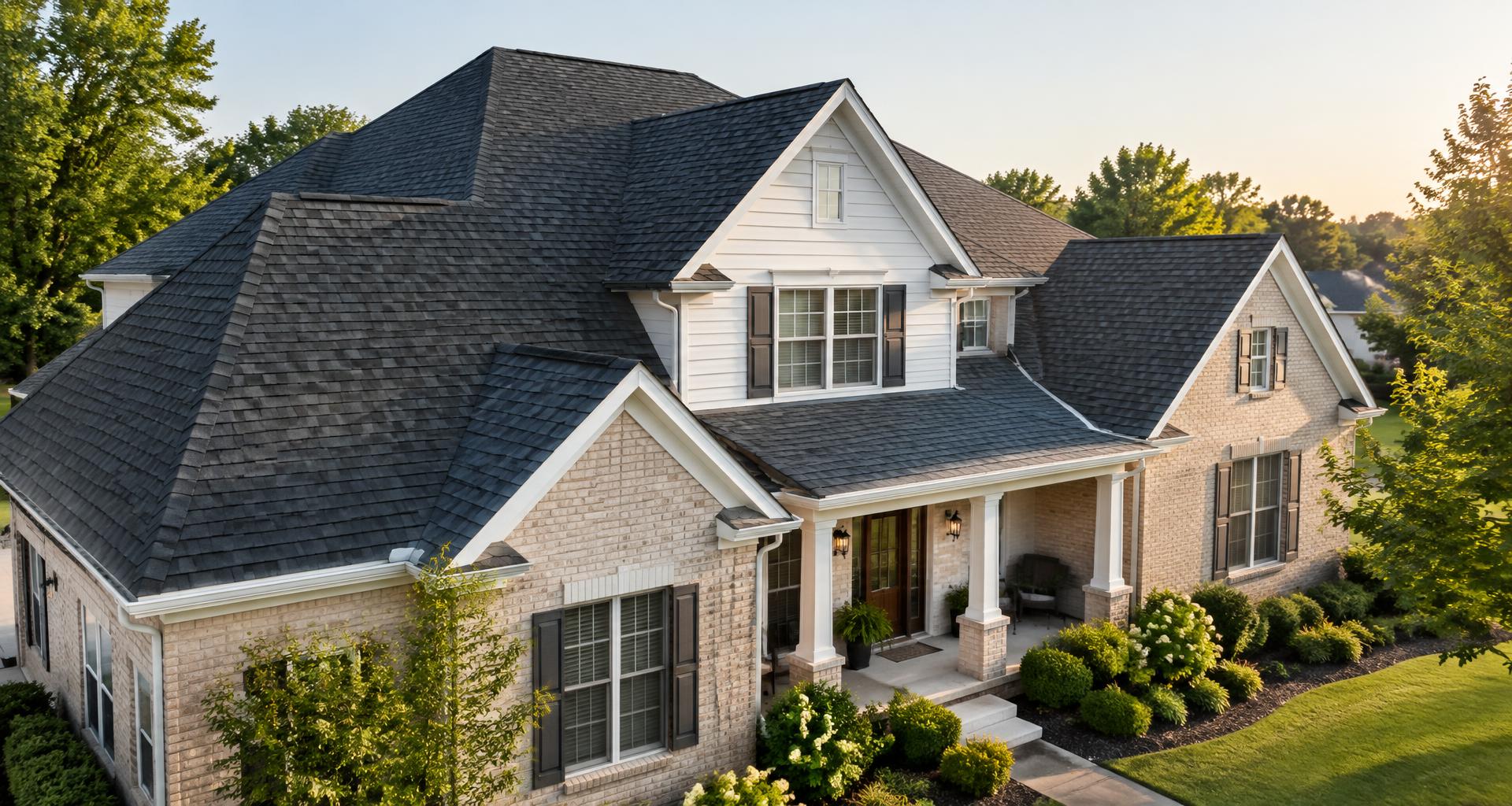
Gulf moisture, intense sunshine, and complicated drainage
Houston combines prolonged summer heat and humidity with heavy downpours and exposure to tropical-system rainfall. Water driven sideways can reveal weaknesses that never appear during a gentle shower. A homeowner should describe which wind direction accompanied a leak rather than assume the stain identifies the entry point. Water can travel along framing before becoming visible indoors.
Shaded roof sections beneath mature trees may dry differently from open slopes. Dark streaks are not themselves proof of a failed roof. Separate appearance concerns from lifted edges, persistent leakage, soft underlying wood, or documented attachment problems. Flat terrain around the house does not eliminate the need for positive roof drainage.
Roof types and material choices in Houston
On pitched Houston homes, compare asphalt shingles or an appropriately designed metal system with attention to fastening and valley details. Low-slope townhome roofs and additions require coverings suitable for their actual pitch. A reflective finish may reduce solar heat absorption, but attic moisture, insulation, and exhaust routing still need separate evaluation; no particular energy saving follows from choosing a light color.
Compare written proposals for the complete roof assembly, not only the visible covering. Ask what happens if concealed decking deterioration is found, which flashing components will be replaced, how penetrations will be detailed, and how debris and occupied entrances will be protected. Product suitability depends on slope, substrate, attachment, exposure, and installation. A material name alone does not establish wind resistance, watertightness, or suitability for the existing structure. Request an explanation of exclusions and maintenance responsibilities.
Roofing Tips for Houston Homeowners in 2027
Map roof-to-wall joints
Identify dormers, upper walls, and the ends of valleys when describing leakage. Request an explanation of flashing at these transitions rather than accepting stronger shingles as the entire response to wind-driven rain.
Observe ordinary rainfall
From a sheltered ground-level location, note gutter overflow and where downspouts discharge. Tell the roofer whether water backs up near an entrance or an addition; drainage and ground grading may need different specialists.
Separate hail from aging
Photograph safely visible storm debris and new indoor marks. Ask for evidence distinguishing impact damage from blistering, wear, or earlier repairs instead of assuming every mark has the same cause.
Review attic exhaust
Tell the assessor about persistent musty odors or bathroom exhaust problems. Roofing changes should not conceal an unresolved moisture source or assume that additional vents suit every attic configuration.
Prepare tight-lot access
For a townhome, discuss alley restrictions and permission for any neighboring access. A debris container should not block a shared exit, utility access, or the route residents use every day.
Keep tropical-weather records
Maintain baseline ceiling photographs and descriptions of existing repairs. After a tropical rain event, record what changed without assigning an unsupported storm date or treating the roofer’s opinion as an insurance decision.
Neighborhoods and suburbs around Houston
Heights bungalows, closely spaced townhomes, and larger homes toward the suburban edge present different staging constraints. Ask how alleys, shared drives, landscaping, and neighboring walls will be protected. For a Houston mailing address outside the city, verify the actual permitting authority. On attached properties, establish who controls shared roof areas and drainage before approving work.
TopShield is a national referral service that connects callers with independent roofers. TopShield does not perform contractor work. The independent roofer evaluates the property and discusses any proposed work directly with the homeowner. A referral does not guarantee availability, an appointment, a particular repair, or a project outcome. Confirm who will assess the roof and who would carry out the work before authorizing anything.
Keep observations at ground level or inside normally accessible rooms. Do not climb a ladder, walk on roofing, enter a wet attic, or touch fallen wires to investigate damage. During lightning or strong wind, wait in a safe location rather than collecting photographs. Water near electrical equipment, a bulging ceiling, or signs of structural movement call for immediate safety precautions and appropriate emergency assistance, not a routine visual check.
If a weather event may be involved, preserve dated photographs, previous repair records, and a factual account of when a stain or missing material first appeared. Distinguish observations from assumptions about the cause. Ask the insurer what documentation and temporary protection procedures it requires. The insurer decides coverage and claims; neither TopShield nor an independent roofer can promise claim approval. A roof assessment and an insurance decision are separate processes.
Pasadena · Pearland · Sugar Land · Katy · Spring · Baytown
TopShield’s referral coverage is nationwide, not limited to this list. Call to discuss your property’s location and confirm an independent roofer’s availability.
Houston roofing questions
Does a Houston roof stain always mean hurricane damage?
No. A stain may relate to ordinary rain, flashing defects, condensation, plumbing, or an older unresolved leak. Describe when it changes and which rooms are affected. An independent roofer can investigate roof-related pathways; the insurer separately evaluates any claim.
Should a Heights bungalow use the same roof as a nearby townhome?
Not necessarily. A bungalow’s pitched planes and a townhome’s low-slope sections can require different water-shedding strategies. Ask about slope, wall intersections, drainage outlets, and access rather than matching a neighbor’s material by appearance.
Does every Houston-area address use city permitting?
No assumption should be made from the postal city alone. Establish the property’s jurisdiction and ask the responsible authority about the proposed scope. Association approval, where applicable, is a separate issue and does not substitute for governmental review.
More local roofing guidance
Roofing services
Planning and safety sources
These 2027 tips are maintenance planning guidance, not a weather forecast. Review DOE roof material guidance, FEMA snow safety, and IBHS roofing standards, and ask a qualified professional to assess your actual roof.