Roof repair & replacement in San Antonio, Texas
TopShield Roofing is a national referral service connecting callers in San Antonio and all US cities with independent local roofers. Discuss repair, replacement, new installations, or storm damage and confirm inspection terms directly with the roofer.
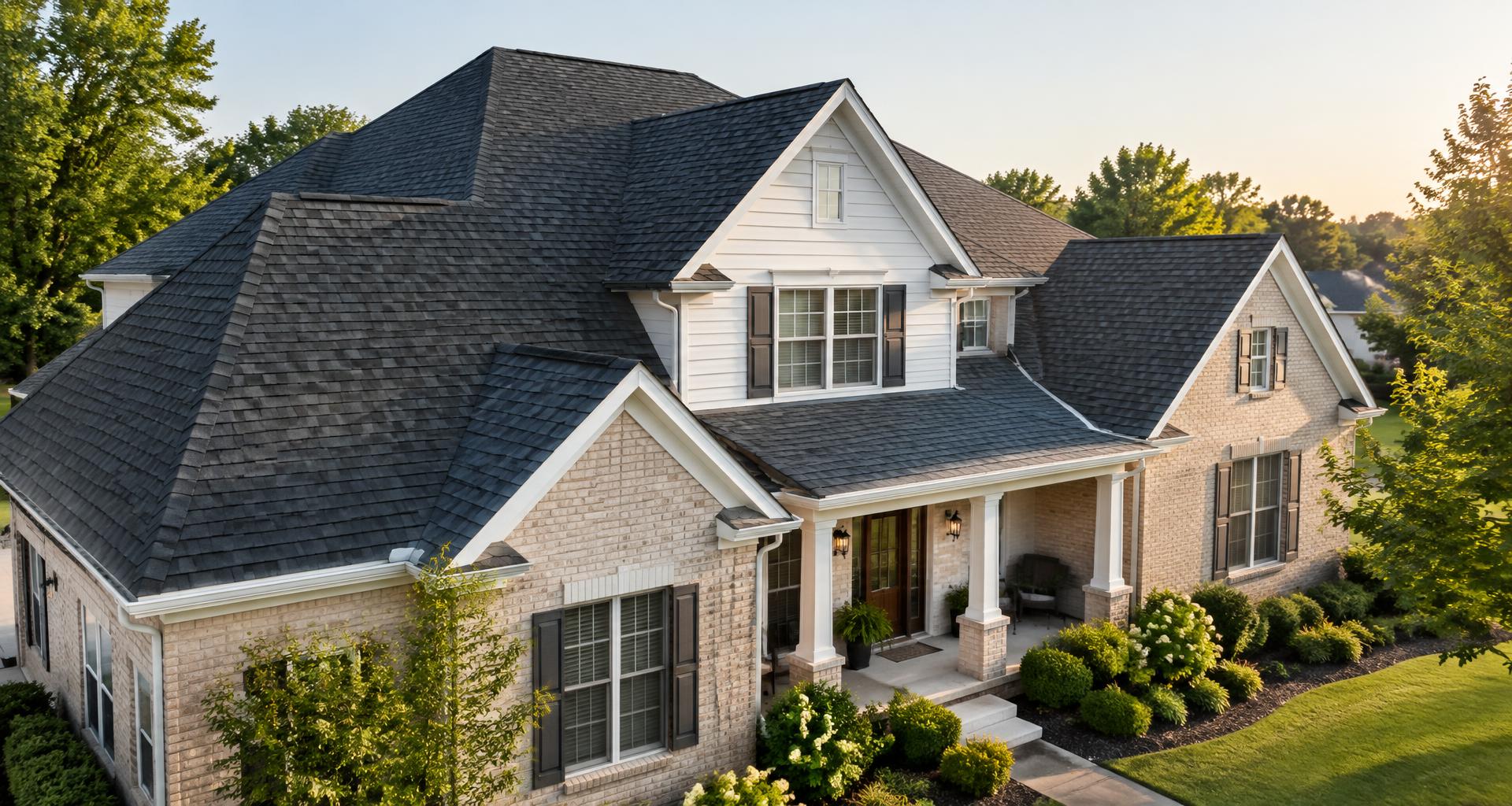
Intense heat, sudden rain, and varied roof forms
San Antonio roofs face strong solar exposure, hot summers, thunderstorms, and occasional hail or freezing conditions. Long dry intervals do not make flashing or drainage unimportant. A sudden downpour can expose a blocked valley or poorly detailed transition that has not produced a visible indoor symptom for months.
Trees, roof orientation, and building shape create different drying conditions across one property. Tile surfaces can look sound while concealed underlayment or flashing needs attention. Describe leaks by timing and location rather than assuming the most obvious cracked tile is the only possible pathway.
Roof types and material choices in San Antonio
Asphalt, metal, and tile can each be appropriate on suitable pitched structures. For tile, ask how broken pieces, attachment, underlayment, and penetrations will be evaluated separately. Heavier replacements require structural consideration. Low-slope additions need purpose-designed assemblies. Reflective finishes can reduce solar absorption, but color alone does not resolve attic heat or establish a cooling-bill outcome.
Compare written proposals for the complete roof assembly, not only the visible covering. Ask what happens if concealed decking deterioration is found, which flashing components will be replaced, how penetrations will be detailed, and how debris and occupied entrances will be protected. Product suitability depends on slope, substrate, attachment, exposure, and installation. A material name alone does not establish wind resistance, watertightness, or suitability for the existing structure. Request an explanation of exclusions and maintenance responsibilities.
Roofing Tips for San Antonio Homeowners in 2027
Look beneath tile proposals
Request an explanation of concealed underlayment and flashing assessment. Replacing visible cracked pieces may help locally but is not a complete answer if the underlying water-control layer has deteriorated.
Track dry-to-wet changes
Keep notes when the first substantial rain after a dry spell produces a leak. Timing can help distinguish an obstructed drainage route from a persistent moisture problem or unrelated interior source.
Manage oak debris safely
From the ground, identify valleys and gutters beneath heavy tree cover. Ask about professional debris removal and whether vegetation has concealed defects; do not climb onto tile to clear leaves.
Review heritage constraints
For a property subject to historic review, clarify approval steps before ordering a new profile or finish. Have the roofer distinguish necessary water-control repairs from optional appearance changes.
Assess hail without shortcuts
Ask what impact evidence exists on the particular roof system and what it means for function. Tile, metal, and asphalt respond differently, so a neighboring roof’s condition is not a substitute for assessment.
Account for additions
Describe every porch, enclosed patio, and rear extension in the inspection request. Lower slopes and roof-to-wall seams may need separate specifications even when the main roof covering is being retained.
Neighborhoods and suburbs around San Antonio
King William and other historic areas may require review of visible changes, while newer subdivisions can have association design rules. Confirm the requirements for the actual parcel. Mature live oaks may complicate access and collect debris in intersections. Where an older house has later rear additions, ask the roofer to map differences in slope and drainage rather than treat the entire building as one covering.
TopShield is a national referral service that connects callers with independent roofers. TopShield does not perform contractor work. The independent roofer evaluates the property and discusses any proposed work directly with the homeowner. A referral does not guarantee availability, an appointment, a particular repair, or a project outcome. Confirm who will assess the roof and who would carry out the work before authorizing anything.
Keep observations at ground level or inside normally accessible rooms. Do not climb a ladder, walk on roofing, enter a wet attic, or touch fallen wires to investigate damage. During lightning or strong wind, wait in a safe location rather than collecting photographs. Water near electrical equipment, a bulging ceiling, or signs of structural movement call for immediate safety precautions and appropriate emergency assistance, not a routine visual check.
If a weather event may be involved, preserve dated photographs, previous repair records, and a factual account of when a stain or missing material first appeared. Distinguish observations from assumptions about the cause. Ask the insurer what documentation and temporary protection procedures it requires. The insurer decides coverage and claims; neither TopShield nor an independent roofer can promise claim approval. A roof assessment and an insurance decision are separate processes.
Alamo Heights · Leon Valley · Converse · Live Oak · Schertz
TopShield’s referral coverage is nationwide, not limited to this list. Call to discuss your property’s location and confirm an independent roofer’s availability.
San Antonio roofing questions
Does one broken tile mean my San Antonio roof needs replacement?
Not necessarily. The distribution of damage, tile attachment, underlayment, and flashing all matter. A selective repair may be possible, but a sound-looking tile surface can also hide a broader problem. Ask for documented findings before choosing the scope.
Can I change roof color in a San Antonio historic area?
Verify the applicable property-specific review process before committing. The answer depends on the proposed change and the rules governing the property. Association requirements, if any, are separate from municipal review and should also be checked.
Why does my rear addition leak while the front roof stays dry?
The addition may have a shallower slope, receive concentrated upper-roof runoff, or have an inadequate wall transition. Ask the assessor to trace those conditions. Matching the front roof’s material does not guarantee that the addition has a suitable assembly.
More local roofing guidance
Roofing services
Planning and safety sources
These 2027 tips are maintenance planning guidance, not a weather forecast. Review DOE roof material guidance, FEMA snow safety, and IBHS roofing standards, and ask a qualified professional to assess your actual roof.